Should you buy your Blue Mountain Beach home as a primary residence or start with a rental‑ready second home? It is a big decision that affects your financing, taxes, insurance, and day‑to‑day life. You want the 30A lifestyle without surprises, and you want the numbers to make sense. In this guide, you will learn the key differences, local rules, and a simple checklist to help you choose the best path for your goals. Let’s dive in.
Blue Mountain Beach at a glance
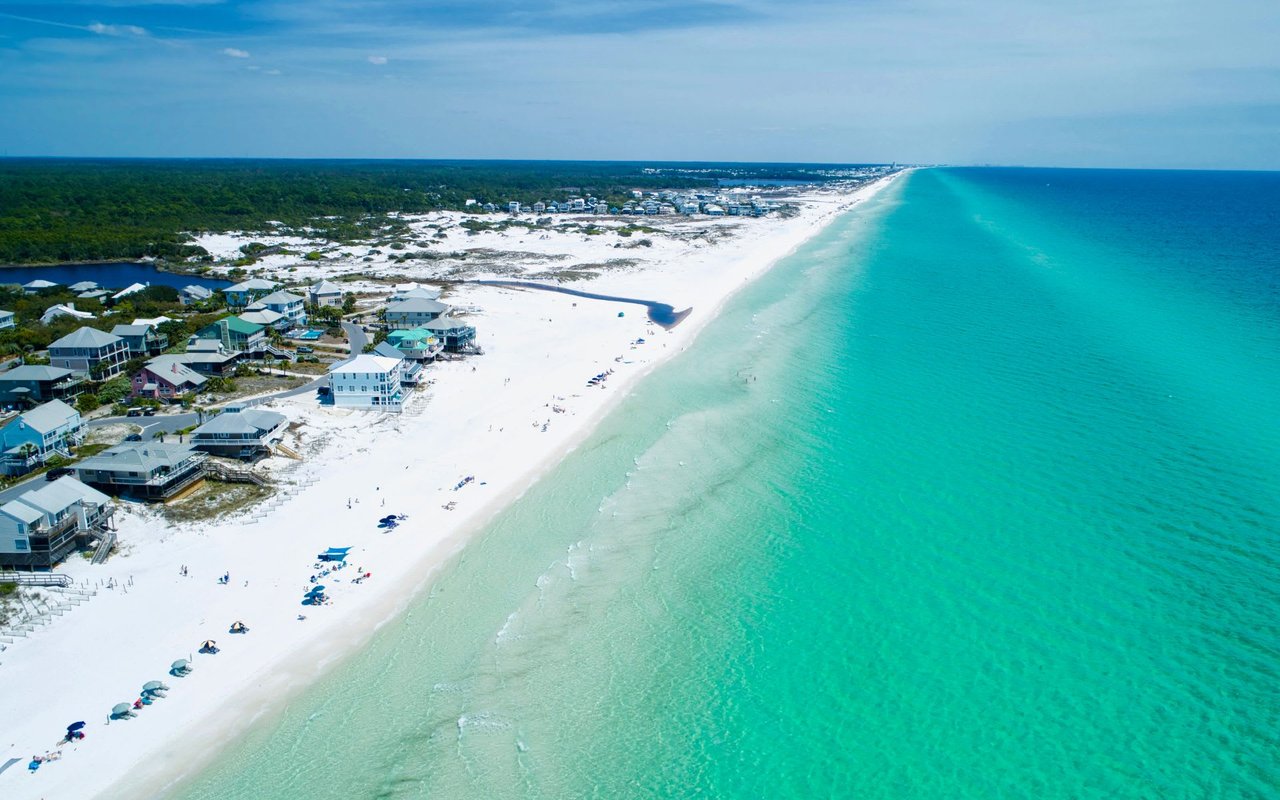
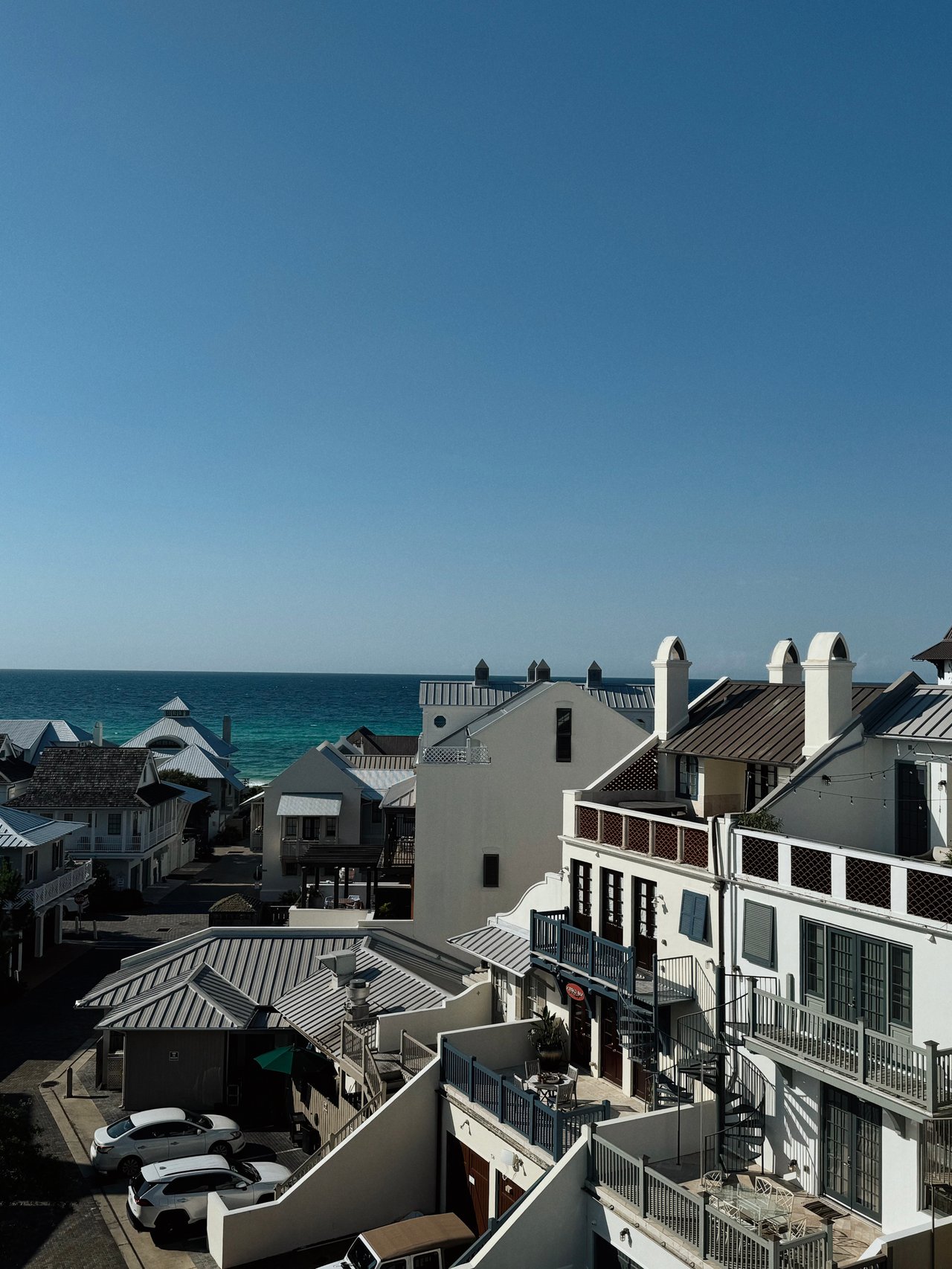
Blue Mountain Beach sits along Scenic Highway 30A in South Walton, framed by coastal dune lakes, bikeable access to the Timpoochee Trail, and a relaxed village feel. You will find cottages, townhomes and condos, and single‑family homes, including gulf‑view properties. Recent guides show a wide price range, with many condos and inland homes in the six to seven figures and gulf‑front or custom estates in the multi‑million range. Local median sale figures for the 32459 area have been reported around about $1.2 million, with prices varying by beach distance and lake frontage. Review the neighborhood snapshot on the Blue Mountain Beach guide from Homes.com.
If you plan to live here full time, the area offers convenient access to trails, beach access points, and everyday services a short drive away. Walton County Public Schools serve the community, with examples that include Dune Lakes Elementary, Emerald Coast Middle, and South Walton High. If you plan to rent, the mix of family‑friendly homes and walkable locations supports steady seasonal demand.
Primary vs rental: what changes
Your intended use drives how lenders size your loan, how the county taxes you, and how you insure and operate the home. Understanding these differences up front will save time, money, and stress later.
Financing basics
- Conforming loan limits increased for 2026, with a baseline one‑unit limit of $832,750. Many Blue Mountain homes price above that threshold, so jumbo financing is common. See the latest baseline limits from Freddie Mac.
- Lenders classify occupancy as primary residence, second home, or investment property, and each comes with different down payment and reserve expectations. Typical GSE guidance shows the most favorable terms for primary homes, around 10 percent down minimum for many second homes, and 15 percent or more for investment properties, plus higher reserve requirements. Review the occupancy and LTV matrix from Freddie Mac.
- Practical takeaway: if you plan a rental‑first purchase, expect tighter underwriting, larger down payments, and potentially higher rates than a primary‑home loan, especially if you need a jumbo.
Homestead and income taxes
- Florida’s homestead exemption and Save Our Homes cap apply only to a primary residence. In Walton County, you must own and occupy by January 1 and apply by March 1 for that tax year. These benefits can meaningfully lower your recurring property tax compared with a non‑homesteaded second home or rental. Get details from the Walton County Property Appraiser.
- If you rent your home part time, the IRS 14‑day or 10 percent rule determines how you report income and allocate expenses. Rent fewer than 15 days in a year and you may exclude that rental income. See the rules in IRS Publication 527.
Short‑term rental taxes
- Short‑term stays under 6 months are subject to Florida’s 6 percent state sales tax plus Walton County’s Tourist Development Tax. In South Walton, which includes ZIP 32459, the TDT rate is 5 percent. Owners are responsible for registering and remitting correctly, even when platforms collect some taxes. Learn more from the Walton County Clerk TDT guide.
Insurance and flood
- If a structure sits in a FEMA Special Flood Hazard Area, lenders must require flood insurance. Blue Mountain’s coastal setting means parcel‑level checks are important. Search the subject address on the FEMA Flood Map Service Center.
- Standard homeowners policies often exclude frequent short‑term rental use. If you plan to host guests, you will likely need a landlord or short‑term rental policy or an endorsement that covers business use. These policies typically cost more than standard owner‑occupied coverage. See common coverage differences and cost considerations in this overview from Schneider Insurance.
Rental‑first reality in Walton County
- Walton County requires an annual Vacation Rental Certificate before you advertise or host. As of 2025, the posted individual registration fee is $300 per property, with inspection and renewal rules by ZIP. You must display the certificate number in ads. Review the requirements on the county’s Vacation Rental Registration page.
- Enforcement has increased. Local coverage shows owners have received compliance deadlines and fines for operating without proper registration. Read an example of recent enforcement activity from Mid Bay News.
- Many 30A communities have HOA rules that set minimum stays, limit rental frequency, or require you to file leases with the association. Always check HOA documents during due diligence.
- Operationally, the county requires a 24/7 local contact, plus compliance with occupancy, parking, and trash standards. Many absentee owners hire a property manager to meet these requirements.
What tends to rent best here
In Blue Mountain Beach and along 30A, full houses with 3 or more bedrooms and easy access to the beach generally earn the strongest summer weekly rates. Walkability, private amenities like a heated pool, and family‑friendly layouts support higher average daily rates and annual totals. The market is seasonal, with demand peaking late spring through summer, then shifting to shoulder months and winter long‑stays.
If you buy a condo or smaller home, you can still capture steady seasonal income, but pricing, amenities, and proximity to beach access will drive occupancy. Dynamic pricing and minimum‑stay strategies are common tools managers use to balance revenue across the year.
Costs owners often miss
Budget for the full cost of ownership so returns stay realistic.
- Property management fees, often 15 to 30 percent
- Housekeeping and linen programs
- Utilities, internet, and pool service if applicable
- Increased insurance for STR or landlord coverage
- Routine maintenance and guest wear items
- Sales tax and Tourist Development Tax collection and remittance
- Reserve funds for big items, such as HVAC or roof work
Decision guide: primary home or rental‑first
Choose a primary residence first if:
- You want Florida homestead benefits and long‑term property tax stability.
- You value a quieter rhythm, school proximity, and less turnover on your street.
- You prefer the most favorable mortgage terms and lower insurance complexity.
Choose rental‑first if:
- Your lifestyle is part‑time on 30A and the property must help carry costs.
- You are comfortable following registration, tax, and insurance rules each year.
- You have reserves and a plan for management, guest services, and maintenance.
Many buyers blend both paths. You can buy a second home for personal use, then rent selectively within IRS rules while keeping future primary occupancy in mind.
Pre‑purchase checklist
Work through these items before you commit so your plan holds up at the address level.
- Verify short‑term rental eligibility and registration steps for the parcel in Walton County’s Vacation Rental Registration program. Confirm current rules and fees early.
- Review HOA or deed restrictions for rental minimums or limits. Ask the seller for association documents and any prior rental history.
- Pull a parcel‑level flood map and obtain flood insurance quotes if needed. Note hurricane deductible terms for wind coverage.
- Prequalify for the correct occupancy class. Confirm whether your loan will be conforming or jumbo and clarify down payment, rate, and reserve requirements.
- Model rental income and expenses by season. Include management, housekeeping, utilities, insurance, marketing or platform fees, and all taxes.
- Plan your tax approach. Decide on personal use levels, understand the 14‑day or 10 percent rule, and note Walton County’s homestead deadlines if you intend to go primary.
- Get written insurance quotes that explicitly cover your intended use. Do not rely on platform host protections as your primary coverage.
How we can help
You deserve a clear plan and a smooth process, whether you are settling in as a full‑time Blue Mountain Beach resident or building a compliant, high‑performing rental. Our team pairs hyper‑local 30A expertise with Compass tools to help you evaluate addresses, confirm HOA and county rules, stress‑test the numbers, and connect you with trusted lenders, insurance advisors, and property managers. Ready to compare homes that fit your path and budget? Connect with The Kendall Hood Collection to Schedule Your Concierge Consultation.
FAQs
What should I consider when choosing primary vs rental in Blue Mountain Beach?
- Focus on financing type, property taxes, insurance, and county rental rules. Primary homes often qualify for more favorable mortgages and Florida homestead benefits, while rental‑first purchases require stricter underwriting, added taxes, and annual registration.
How do down payments differ for second homes and rentals near 30A?
- Typical GSE guidelines show about 10 percent down minimum for many second homes and 15 percent or more for investment properties, plus extra reserves. Many Blue Mountain price points require jumbo loans, which can mean larger down payments and stronger credit.
How does the Walton County homestead exemption work for a primary home?
- You must own and occupy the home by January 1 and apply by March 1 to receive homestead benefits and Save Our Homes assessment caps for that tax year. Homestead does not apply to second homes or rentals.
Do I need a county certificate to operate a short‑term rental in Blue Mountain Beach?
- Yes. Walton County requires an annual Vacation Rental Certificate before advertising or hosting, with fee, inspection, and display requirements. Operating without a certificate can result in fines.
What taxes do I collect on short‑term rentals in ZIP 32459?
- Short stays are subject to Florida’s 6 percent state sales tax plus the South Walton Tourist Development Tax rate of 5 percent. Owners are responsible for proper registration and remittance.
Is flood insurance required for homes near the beach?
- Lenders must require flood insurance if the structure is in a FEMA Special Flood Hazard Area. Always check the parcel’s FEMA flood map and obtain quotes before you buy.