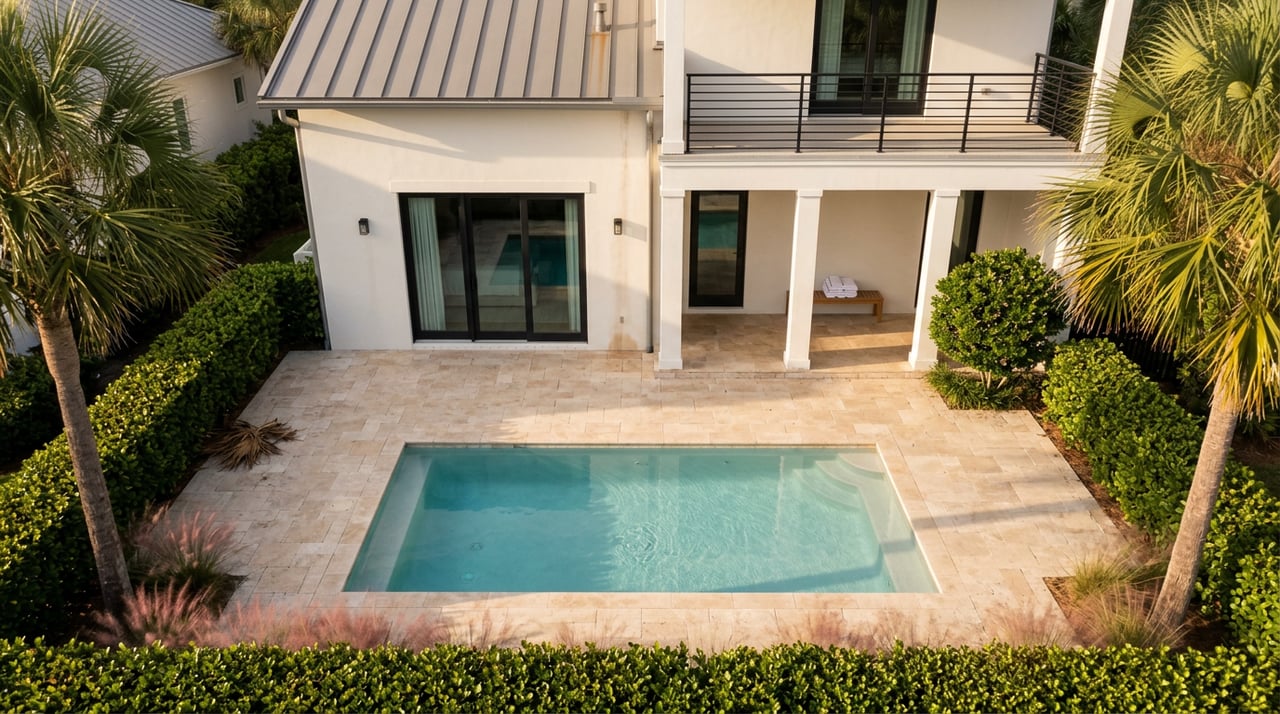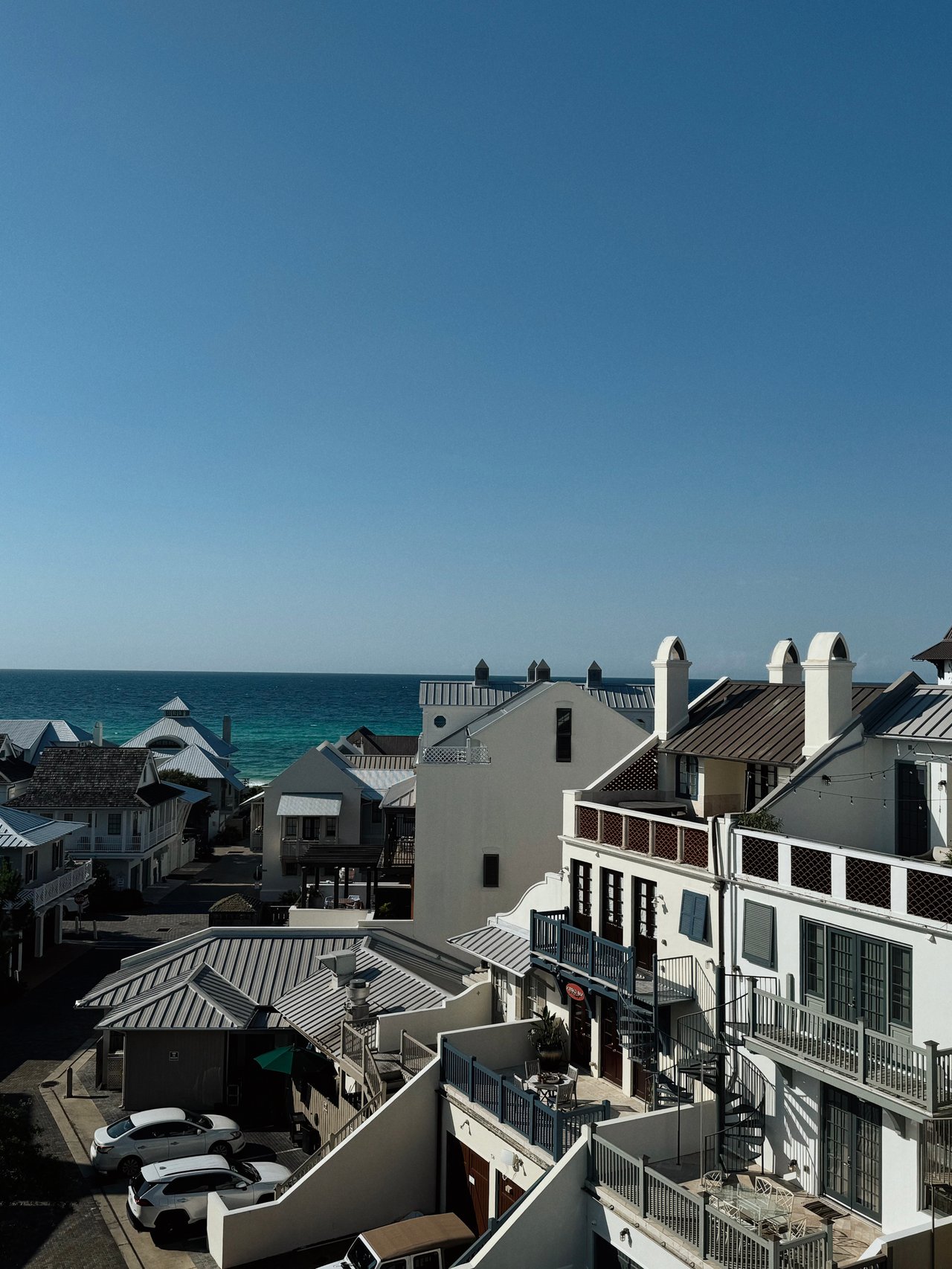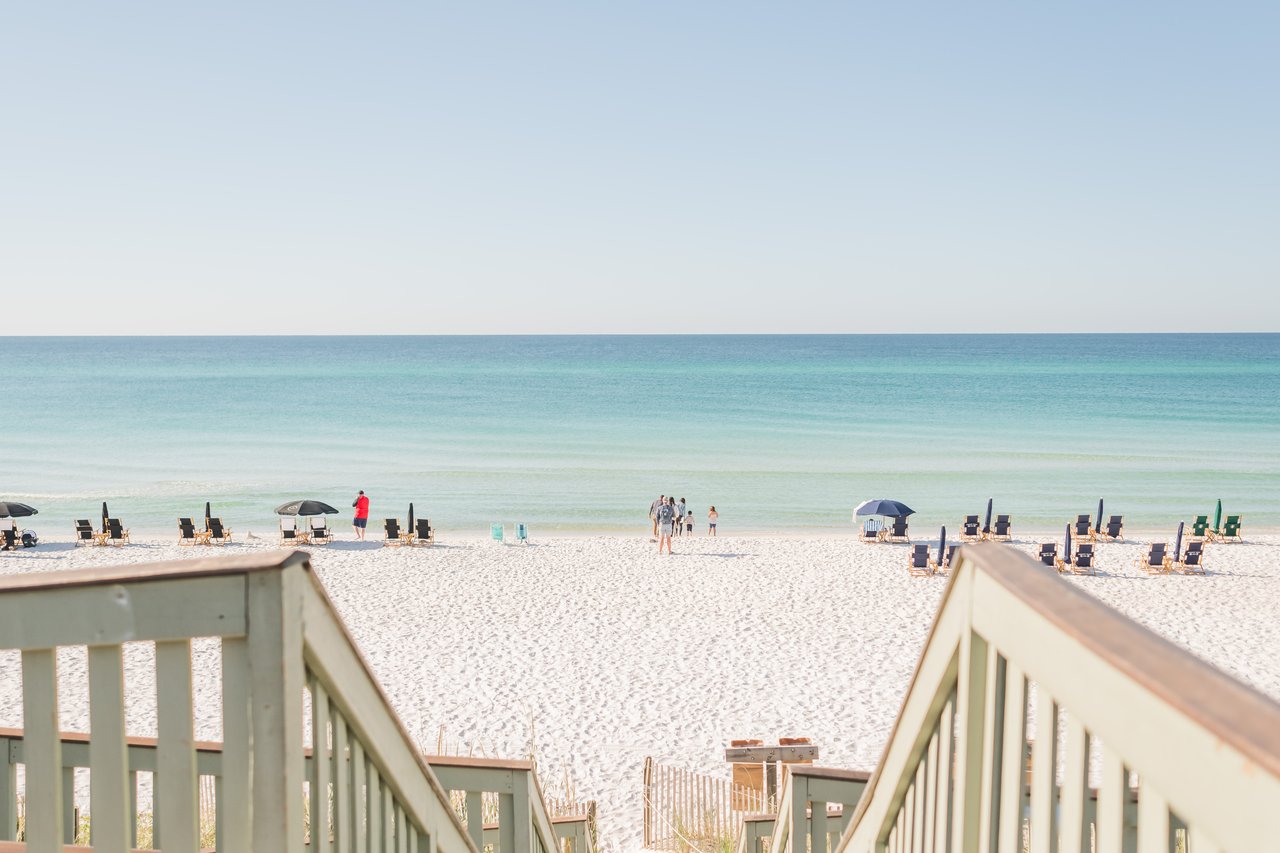
Dreaming about waking up to Gulf views in Seagrove Beach? It is easy to focus on the water, the sand, and the lifestyle first. But when you buy a Gulf-front home here, the real story is often in the lot, the access, the county rules, and the exact documents tied to that address. This guide will help you understand what makes Seagrove special, what to review before you buy, and how to approach the process with confidence. Let’s dive in.
Why Seagrove Feels Different
Seagrove stands out along 30A because it has a more organic coastal character than many nearby planned communities. Official community descriptions point to family-run businesses, neighborhood cottages, oak trees, magnolias, and a laid-back but still upscale feel. The area also stretches about two miles along the Gulf and offers more beach access points than any other South Walton area.
That mix creates a different buying experience. Instead of a single, tightly controlled resort identity, Seagrove often feels more varied from one street to the next. For you, that means a home’s exact location can shape privacy, access, and daily use just as much as the Seagrove name itself.
Gulf-Front Buying Is Parcel-Specific
In Seagrove, two properties with similar views can come with very different rules. The Old Seagrove plan shows that parts of the area began as smaller platted beach-cottage lots, and later development introduced larger homes in some sections. Because of that history, lot layout and development rights are not always uniform.
If you are shopping Gulf-front, you should look beyond photos and frontage. A property may sit within a neighborhood plan area, an HOA, or a condo-style ownership structure that changes what you can rebuild, rent, fence, or store on site. The address matters more than the general neighborhood label.
Old Seagrove Rules to Know
For homes within the Old Seagrove plan area, Walton County limits the area to single-family residential uses. The county also states there can be one dwelling unit per platted lot, and lot reconfiguration cannot create additional dwelling units.
If you are thinking long term, these rules matter. They can affect whether a lot has future expansion potential and how a replacement home may be designed. They also help preserve the lower-intensity residential character that many buyers value in this part of Seagrove.
Key Development Standards
For newly constructed short-term rental homes in the plan area, Walton County allows only single-family residential type buildings and caps those homes at six bedrooms. The county also lists development standards that include:
- 20-foot front setbacks
- 7.5-foot side setbacks
- 15-foot rear setbacks
- 40-foot height limit
Those are important numbers if you are buying with plans to renovate or rebuild. A large Gulf-front lot may still be constrained by setbacks, height, and other design rules.
Design and Site Rules
The Old Seagrove plan encourages a coastal, lower-intensity look. Traditional roof pitches, multiple roof lines, native landscaping, and canopy-tree replacement are favored, while chain-link fencing is prohibited and fence heights are limited.
The county also requires trash corrals in this plan area. These details may sound small at first, but they can affect cost, design, and how quickly you can move from concept to approved plans.
Coastal Permitting Matters
Any Gulf-front or near-Gulf rebuild in Seagrove may also fall under Florida’s Coastal Construction Control Line program. The Florida Department of Environmental Protection applies special siting and design criteria to structures seaward of the control line, especially where building could affect dunes or public access.
In practical terms, this means Gulf-front construction is not only about county zoning. You may also need to account for state coastal permitting rules before assuming a home can be expanded or replaced in the way you want.
Beach Access Is a Major Value Driver
Seagrove’s access network is one of its biggest advantages. Official tourism and county sources note that the area has a mix of neighborhood and regional beach access points, including walk-up entries and park-and-walk options.
Some nearby access points include One Seagrove Place, Pelayo Avenue, and Santa Clara Regional Beach Access. Santa Clara offers parking, restrooms, ADA compatibility, and a picnic pavilion. Walton County also opened Seagrove Regional Beach Access at 3910 E. County Hwy. 30A in April 2026, adding parking, an ADA-accessible dune walkover, rinse showers, restrooms, bike parking, multi-use-path connectivity, and about 100 feet of additional public beach.
Not All Access Points Work the Same
Beach-use rules can vary by access location. Walton County’s access chart shows that some access points allow special events or bonfires, while others do not.
If you plan to host family and guests, this matters more than many buyers expect. The nearest practical access point, its parking setup, and its rules can shape the day-to-day experience of owning the home.
Understand the Beach Boundary
For Gulf-front homes, the beach itself deserves careful review. Florida law recognizes the mean high-water line as the boundary between the state’s foreshore and upland that may be privately owned.
That is why you should not assume a beachfront deed automatically means exclusive control of the sand area in front of the home. The survey, title work, and any recorded easements should be treated as core purchase documents, not closing-day extras.
Flood Risk and Ongoing Costs
A Gulf-front lifestyle comes with additional exposure to coastal conditions. Florida DEP describes the beach and dune system as the first line of defense against storms, and FEMA flood maps are the official basis for determining flood-hazard zones and related insurance requirements.
If a home is in a Special Flood Hazard Area and you are using a federally backed loan, flood insurance is required. Even beyond lending rules, you should expect a more detailed review of flood zone, insurance pricing, wind exposure, salt-air wear, and dune-management obligations than you would for an inland property.
Rental Use Requires Three Layers of Review
If rental income is part of your plan, do not rely on marketing language alone. In Walton County, short-term vacation rentals require annual registration, and the county’s program now follows an annual renewal schedule aligned to June 1.
The county also states that rental agreements and on-site postings must include occupancy, parking, noise, trash, and emergency information. Each property must also have a locally available responsible party.
County Approval Is Not the Only Rule
Walton County notes that an HOA can still regulate activities through its covenants, even if those covenants do not expressly ban short-term rentals. In Seagrove, a neighborhood plan, HOA documents, and county rental requirements may all apply at once.
That is why serious rental buyers need to verify all three before counting on future income. A home with strong location appeal can still have use restrictions that change your ownership strategy.
Daily Life in Seagrove
Compared with nearby master-planned communities, Seagrove often feels less programmed and more varied. Official materials for nearby places like Seaside, Rosemary Beach, Alys Beach, and WaterColor highlight structured planning, resident systems, private amenities, or tightly managed access. Seagrove’s public descriptions focus more on cottages, vegetation, family-run businesses, and multiple access points.
For you, that can be a real advantage. Privacy in Seagrove often comes from lot position, dune and tree buffering, and lower-parking access points rather than from gates or heavily controlled amenity systems.
What to Review Before You Buy
A strong Seagrove purchase usually comes down to disciplined due diligence. Before you move forward on a Gulf-front home, make sure you review:
- Survey and boundary lines
- Recorded easements and beach access rights
- Flood zone information
- Insurance options and expected premiums
- Walton County zoning and Old Seagrove plan rules, if applicable
- Coastal Construction Control Line implications
- HOA or condo documents, if applicable
- Short-term rental registration requirements
- Property-specific rules on parking, storage, fencing, and beach-related use
This kind of review is especially important for out-of-market buyers and second-home investors. In Seagrove, the best opportunities usually reveal themselves when you compare not just the view, but the full use profile of the property.
Why Local Guidance Matters
Buying Gulf-front real estate in Seagrove is rarely a simple yes-or-no decision. It is about understanding how access, ownership boundaries, rebuild potential, and rental rules all come together at one address.
That is where local, neighborhood-level guidance makes a difference. When you can evaluate the lot, the documents, and the lifestyle fit together, you are far more likely to make a smart purchase that matches your goals.
If you are considering a Gulf-front purchase in Seagrove Beach, The Kendall Hood Collection offers concierge-level guidance for second-home buyers, out-of-market purchasers, and investors across 30A.
FAQs
What makes buying a Gulf-front home in Seagrove Beach unique?
- Seagrove is highly parcel-specific, so beach access, rebuild options, flood exposure, HOA rules, and rental permissions can vary significantly by address.
What should you check before buying a beachfront home in Seagrove?
- You should review the survey, easements, title documents, flood zone, insurance options, county rules, coastal permitting issues, and any HOA or condo documents tied to the property.
Can you use a Seagrove Gulf-front home as a short-term rental?
- Possibly, but you need to confirm Walton County registration requirements, any neighborhood plan rules, and any HOA covenants before relying on rental use.
Are all Seagrove beach access points the same?
- No. Walton County shows that parking, amenities, ADA access, and allowed beach uses can differ from one access point to another.
Can you rebuild a Gulf-front house in Seagrove Beach any way you want?
- No. Depending on the property, you may need to follow Walton County development standards, Old Seagrove plan rules, and Florida coastal permitting requirements.
Why is flood-zone review important for Seagrove Gulf-front buyers?
- Flood maps determine hazard zones and can affect insurance requirements, ownership costs, and financing conditions for coastal properties.