Trying to choose between gulf-front and gulf-view in Seaside? You are not alone. Buyers here balance dream-worthy views with real-world costs, regulations, and long-term risk. In this guide, you will learn the key differences, what drives value on 30A, and the due diligence that protects your investment. Let’s dive in.
Gulf-front vs. gulf-view basics
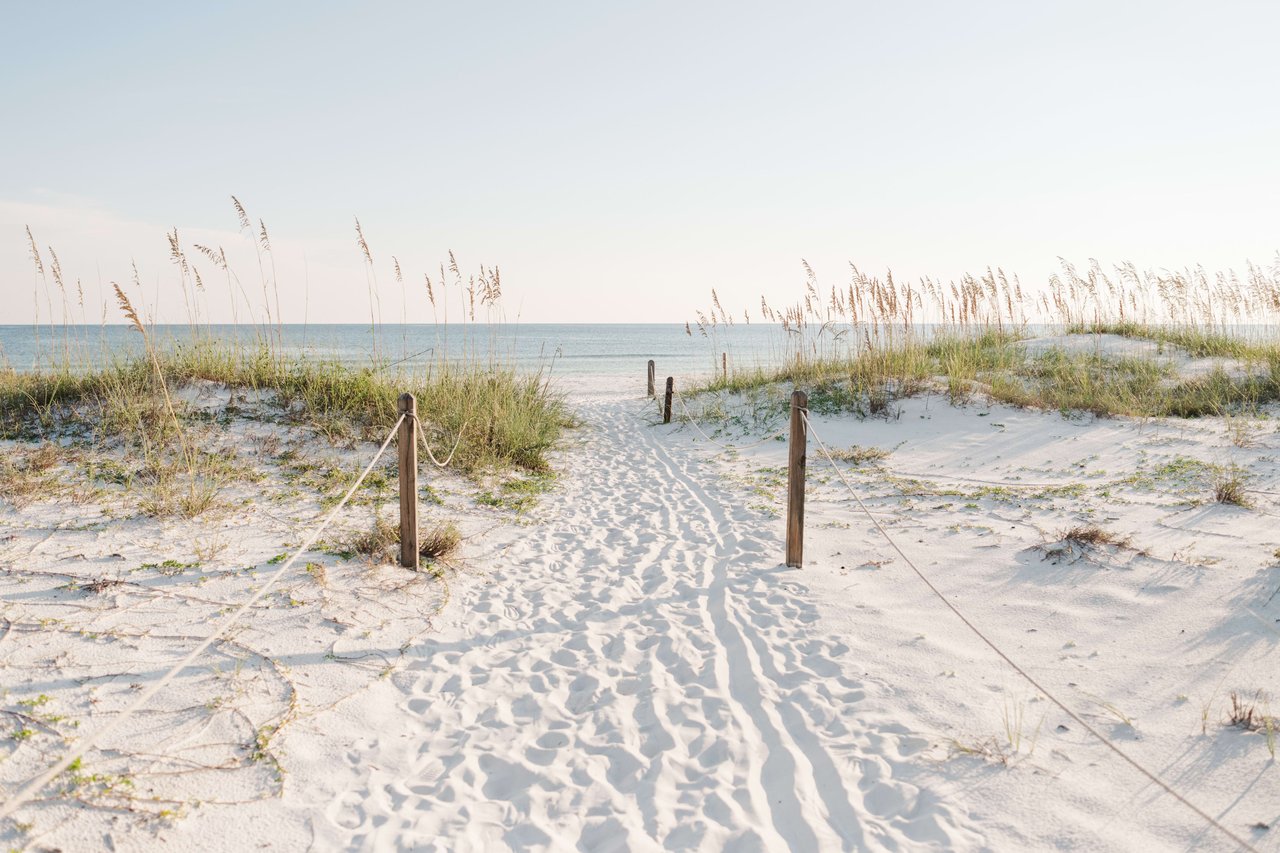
Gulf-front means your property directly touches the Gulf of Mexico shoreline with immediate beach access from the lot. You enjoy maximum access and exposure to surf, tides, and storm surge.
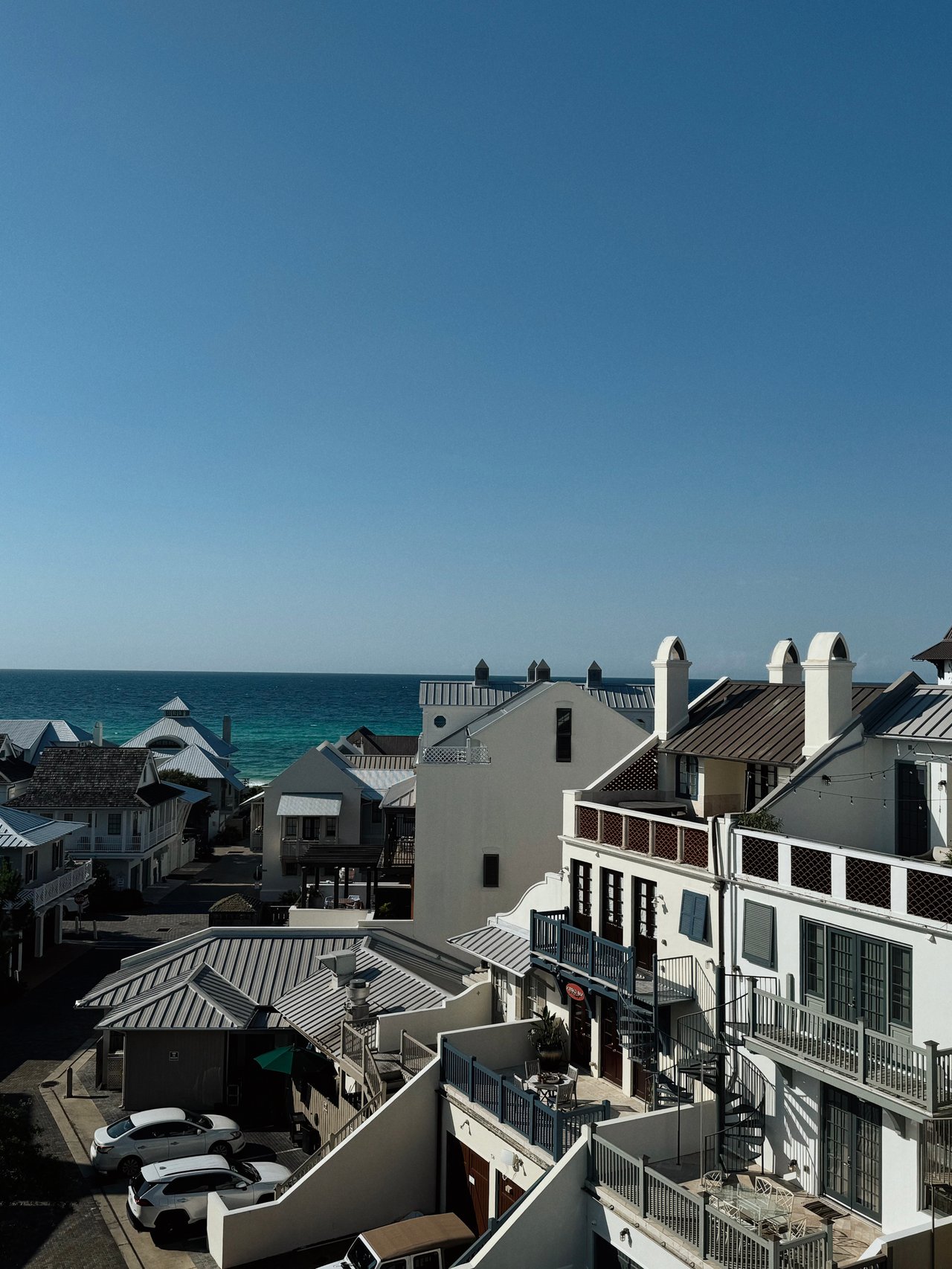
Gulf-view sits back from the beach but still offers a view line to the water. You capture the coastal lifestyle with less direct exposure to wave action and typically lower insurance and maintenance costs.
How Seaside shapes value
Seaside is a planned, architecturally regulated community along Scenic Highway 30A with strong vacation demand. The design code and review process influence what you can build or modify, which can protect neighborhood character and view corridors.
Proximity to Seaside’s town center, the width and elevation of your lot, parking, and the quality of views all affect price. Questions about dune ownership, public walkovers, and tidelands can arise on certain parcels, so plan to verify records before you close.
Price, resale, and seasonality
Gulf-front typically commands a meaningful premium due to private access and uninterrupted views. The exact premium varies by lot size, elevation, dune width, condition of the home, and proximity to amenities.
Resale in Seaside is seasonal. Listings in spring and summer can compete for attention during peak demand, while off-peak listings may find motivated buyers seeking value. Gulf-front is highly desirable, but the buyer pool can be tighter, especially after major storms.
Insurance, taxes, and operating costs
Insurance costs are a major differentiator. Gulf-front properties often face higher premiums for windstorm, hurricane, and flood coverage, especially in coastal high-risk flood zones such as VE. An Elevation Certificate can clarify risk and help with flood insurance rating.
Maintenance is higher on the frontline. Plan for salt-related corrosion, exterior envelope upkeep, and potential repairs to beach access structures. Property taxes vary by assessed value and exemptions, so review current data with the county property appraiser and your insurance broker before you commit.
Short-term rentals in Seaside
Seaside has a robust short-term rental market, and gulf-front homes can achieve higher nightly rates. Balance those rates against higher operating costs and stricter insurance and repair needs.
Confirm all short-term rental rules that may apply, including required permits, occupancy tax collection, and any HOA limits or registration steps. Align your underwriting with realistic average occupancy and seasonal swings.
Regulations and building limits
Coastal property in Seaside touches multiple layers of oversight. FEMA flood zones and the National Flood Insurance Program influence elevation requirements and insurance. The Florida Department of Environmental Protection manages the Coastal Construction Control Line, and work seaward of that line requires permits.
Walton County’s Land Development Code addresses setbacks, dune preservation, and permitting. Seaside’s architectural review standards govern exterior changes and public-facing elements. Plan time for approvals before you renovate or add features like beach stairs.
Coastal risks to weigh
Gulf-front faces the highest exposure to storm surge and wave action during hurricanes and tropical storms. Erosion can change shorelines over time, so parcel-specific history matters.
Long-term sea-level rise can affect risk, insurance availability, and future FEMA mapping. Mitigation features like impact-rated openings, storm shutters, and elevated habitable areas can improve resilience and may lower certain premiums.
Due-diligence checklist for Seaside buyers
- Title and survey
- Order a current, stamped survey and confirm property lines and easements, including public beach walkovers and utility easements.
- Clarify beach access rights and maintenance responsibilities for any shared stairs or boardwalks.
- Flood risk and elevation
- Review FEMA maps for your parcel and request an Elevation Certificate.
- If in a VE zone or near the CCCL, consult a coastal engineer and local building officials about allowable construction and elevation needs.
- Permits and history
- Obtain building permits, recent improvement records, and any seawall or shoreline permits.
- Ask about dune restoration, beach renourishment impacts, and any active or pending public works.
- HOA and community rules
- Review Seaside’s design guidelines, approval history, rental rules, and any minimum-stay or registration requirements.
- Insurance and financing
- Get quotes for homeowners, windstorm, and flood insurance before finalizing your offer.
- Speak with your lender early, especially for properties in high-velocity wave zones.
- Physical inspections
- Structural: pilings, foundation, and any signs of settlement.
- Exterior envelope: salt corrosion, condition of hurricane-rated windows and doors.
- Shoreline structures: condition, permits, and maintenance expectations.
- Utilities: confirm drainage and whether the home is on sewer or septic.
- Professional team
- Engage a local real estate advisor experienced in coastal property.
- Add a coastal engineer, surveyor, floodplain specialist, insurance broker, and land use attorney as needed.
Who benefits from each option
- Gulf-front buyers
- You want direct private access, panoramic views, and top-tier rental potential. You are comfortable with higher insurance, maintenance, and permitting complexity.
- Gulf-view buyers
- You want strong views with less exposure to surf and storm surge, lower insurance and maintenance, and broader resale appeal. You still enjoy the walkable Seaside lifestyle with easier ownership.
- Primary residents and retirees
- You may prioritize insurance stability, accessibility, and long-term resiliency. Elevated gulf-view or well-mitigated gulf-front can both work depending on your risk tolerance and budget.
- Investors
- You may target revenue and occupancy while balancing costs, regulations, and risk. Confirm rental rules up front and underwrite with realistic seasonality and operating expenses.
Negotiation and contract tips
- Include contingencies for a current survey and an Elevation Certificate, plus time to obtain firm insurance quotes.
- Request seller disclosures on storm damage, prior insurance claims, and complete permit history.
- For gulf-front, add inspections that include foundation or pile evaluation and coastal engineer input.
- Clarify responsibility for any required dune repair, boardwalk maintenance, or seawall work before closing.
Work with a local team you trust
A great coastal purchase balances lifestyle and risk with clear data and proactive planning. Whether you lean gulf-front for access and prestige or gulf-view for value and resiliency, the right team helps you navigate design controls, permitting, insurance, and rentals with confidence. If you are ready to explore Seaside opportunities, The Kendall Hood Collection brings hyper-local 30A expertise, a concierge process for remote buyers, and the operational strength you need to move quickly.
Schedule Your Concierge Consultation with The Kendall Hood Collection.
FAQs
What is the difference between gulf-front and gulf-view in Seaside?
- Gulf-front touches the shoreline with direct beach access and higher exposure to surf and storm surge, while gulf-view sits back from the beach with sightlines to the Gulf and typically lower insurance and maintenance.
How much more do gulf-front homes cost in Seaside?
- Gulf-front usually carries a meaningful premium that varies by lot size, elevation, dune width, view quality, proximity to town center, and the home’s condition.
Are flood zones different for gulf-front vs. gulf-view properties?
- Many gulf-front parcels fall into higher-risk zones like VE, which can require elevated construction and higher flood premiums, while some gulf-view parcels may be in lower-risk zones depending on elevation and setback.
Can I short-term rent my Seaside property?
- Seaside has strong short-term rental demand, but you must confirm county and HOA rules, permits, and occupancy tax requirements before renting.
What permits are needed for coastal construction or repairs?
- Work near or seaward of the Coastal Construction Control Line may require state permits, and Walton County regulates setbacks and dune protection; Seaside’s architectural review also applies to exterior changes.
What inspections are critical for gulf-front homes?
- Add structural and foundation assessments, review shoreline structures and permits, evaluate exterior corrosion and openings, and verify drainage and utility systems, ideally with a coastal engineer’s input.