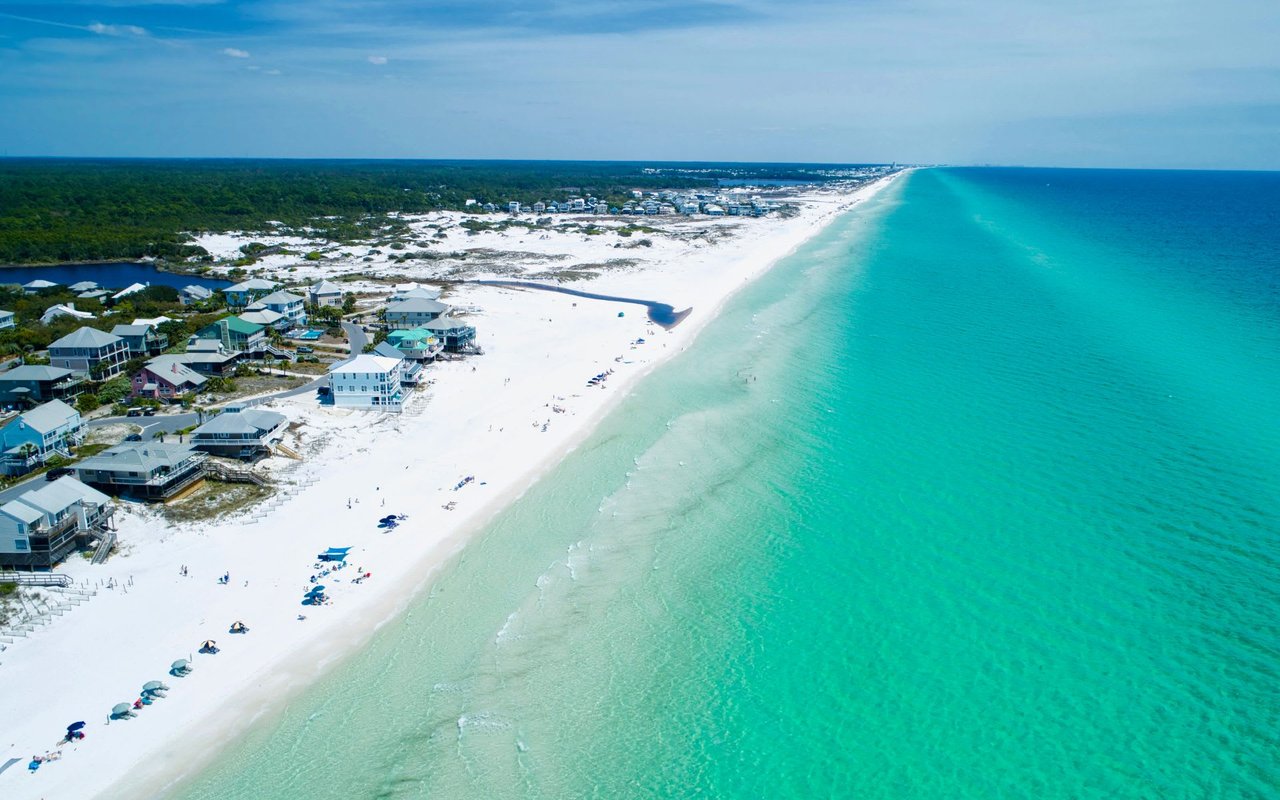
Thinking about a beach home that doubles as a short-term rental and wondering if Inlet Beach fits your goals? You are not alone. Many buyers want a place they love that can also help offset costs. In this guide, you will learn how Inlet Beach stacks up to nearby 30A towns, what demand looks like across the seasons, how to estimate returns using public data, and the key risks to underwrite. Let’s dive in.
Inlet Beach at a glance
Inlet Beach sits near the eastern end of the 30A corridor and immediately west of the Panama City Beach area. It blends the high-amenity beach experience associated with 30A towns with access to broader drive markets and airport arrivals. Proximity to Northwest Florida Beaches International Airport helps bring steady fly-in leisure demand.
The area offers beachfront and near-beach homes that work well for families and larger groups. Many buyers also see a value play compared to the most premium 30A enclaves. If you buy well, the lower entry price can help support yield, even if nightly rates do not match the top-tier 30A towns.
How it compares to 30A towns
Premium 30A communities like Seaside, Rosemary Beach, WaterColor, and Grayton Beach often command higher average daily rates and sometimes stronger shoulder season performance. This comes from resort branding, walkable village centers, and limited supply. Inlet Beach often offers a lower price basis, a broader mix of “rental-oriented” homes, and exposure to Panama City Beach guest flows.
The trade-off is clear. Inlet Beach may have a lower ADR ceiling, and seasonality can be more pronounced. The upside is potential cash flow if your purchase price and operating plan are disciplined. Your decision should weigh ADR potential against acquisition cost, property type, and your management strategy.
Who books and when
Expect a family-first guest profile with multigenerational groups looking for multiple bedrooms and practical layouts. Many guests drive from Alabama, Georgia, and Tennessee, with a portion flying in through ECP. Some visitors choose Inlet Beach for a quieter stay than central Panama City Beach.
Seasonality follows a classic beach pattern. Peak demand runs from late May through early September. Spring and early fall act as shoulder seasons, with holiday and event weekends that spike bookings. Winter months tend to soften, though snowbird stays and weekly rentals can still fill some calendars.
What to buy and why it matters
Typical properties include single-family beach houses and coastal cottages with three to six or more bedrooms, plus condos and townhomes in select pockets. Many newer builds and renovations are designed for group rentals with modern kitchens, bunk rooms, and outdoor living spaces.
Bedroom count and layout drive revenue potential. Larger homes with quality finishes and thoughtful sleeping arrangements can lift ADR. They also bring higher operating costs, more frequent maintenance, and more complex turnovers. Balance desirability against expenses and ensure your property type aligns with your ideal guest profile.
Cost drivers and risks to plan for
Your revenue is shaped by ADR, occupancy, minimum night rules, marketing, guest reviews, and property condition. Your costs fall into predictable buckets:
- Management fees typically range from 18 to 30 percent of rental revenue.
- Cleaning and turnover costs rise with stay frequency and home size.
- Utilities, internet, and streaming services are owner paid for most STRs.
- HOA dues, property taxes, and accounting can be material depending on the community.
- Insurance for wind and flood is a major line item in coastal zones.
- Platform fees, merchant fees, landscaping, pest control, and routine repairs add up.
- Reserves and capital expenditures are needed for furniture, finishes, and systems.
Key risk drivers include insurance premiums, hurricane season disruptions, and potential regulatory changes. Plan for evacuation weeks, storm deductibles, and the possibility of repair downtime. Regulatory shifts can change minimum stays, occupancy limits, or registration rules, so build in margin.
Permits, taxes, and insurance essentials
Before you buy, verify short-term rental registration or permit requirements for Bay County and any relevant municipality. Most STR owners must collect and remit tourist development taxes. Review HOA rules carefully for any minimum stay policies or rental restrictions.
Coastal properties may sit in FEMA flood zones, which means flood insurance is commonly required for financed purchases. Windstorm and hurricane coverage is crucial and can be costly. Confirm insurance availability and premiums early in the process and understand evacuation zones and historical storm impacts.
How to estimate income step by step
Use a simple, consistent framework so you can compare Inlet Beach to nearby 30A markets.
- Estimate annual revenue
- Pull current ADR and occupancy for a property type that matches your target, such as a four-bedroom home. Resources include professional STR analytics providers and local manager comps.
- Gross annual revenue equals ADR times 365 times occupancy.
- Example formula only using generic figures: if ADR equals 500 dollars and occupancy equals 40 percent, gross equals 500 times 365 times 0.40, or 73,000 dollars.
- Adjust for host payouts
- Cleaning fees paid by guests usually do not count as owner revenue.
- Subtract platform and payment processing fees to get to owner payout.
- Subtract operating expenses
- Include management fees, cleaning, utilities, HOA dues, insurance, property taxes, maintenance, supplies, and marketing.
- As a quick screen, total operating expenses before debt in beach markets can range from roughly 30 to 50 percent of gross revenue. This varies by property and management approach.
- Calculate returns
- Net operating income equals gross revenue minus operating expenses.
- Cash flow equals NOI minus annual debt service.
- Cash-on-cash return equals annual cash flow divided by your total cash invested, including down payment, closing costs, and initial furniture and equipment.
- Cap rate equals NOI divided by purchase price.
Use the same method for Inlet Beach and at least two 30A comparables to keep the analysis apples to apples.
Use bed tax to size seasonality
Monthly tourist development tax collections provide a clear view of demand patterns. Pull the last three to five years of county data and track peaks, troughs, and year-over-year growth. High summer peaks and softer winter months should be visible in the monthly curve. Match that curve to your underwriting calendar to estimate occupancy by month, not just annually.
Airport passenger trends at Northwest Florida Beaches International Airport can help you gauge fly-in demand changes. Use both travel indicators and short-term rental analytics to validate your expected booking window and lead times.
Underwrite with conservative scenarios
Protect your downside by building multiple cases.
- Best case uses current ADR and occupancy for your comp set.
- Base case reduces ADR and occupancy by 10 to 15 percent to reflect early reviews, learning curve, and new supply.
- Conservative case cuts results by 25 to 40 percent to show breakeven and stress points.
- Hurricane season scenario removes 0 to 2 weeks and adds a contingency reserve.
- Insurance stress test builds in premium increases and higher wind deductibles.
This approach helps you compare properties and decide if Inlet Beach’s trade-offs match your risk tolerance.
Practical next steps
- Obtain a paid short-term rental market report for Inlet Beach and two or three 30A peers. Pull ADR, occupancy, monthly seasonality, booking lead time, and listing counts.
- Download monthly tourist development tax reports for the last three years to confirm seasonality and trend direction.
- Call two or three local property managers for sample P and Ls, typical monthly occupancy for your property type, fee schedules, and guest profiles.
- Verify STR permitting and registration steps, including tax collection setup and any HOA requirements.
- Get insurance quotes for wind and flood for each address you are considering. Add these to your expense model early.
Is Inlet Beach a smart STR market?
It can be. If your strategy values a lower entry price, group-friendly homes, and access to both 30A beachgoers and Panama City Beach visitor flows, Inlet Beach is worth a hard look. If your goal is the very highest ADRs and brand premium deep into the shoulder months, you may favor the most established 30A towns.
The best decisions come from local data and disciplined underwriting. Blend short-term rental analytics with monthly bed tax trends and real manager comps. Use conservative scenarios and insurance checks to validate your comfort level.
Ready to run the numbers on a property or compare neighborhoods in detail? Schedule a concierge consultation with our team at The Kendall Hood Collection to get local data, property shortlists, and trusted manager introductions.
FAQs
How does Inlet Beach compare to Rosemary Beach for rentals?
- Premium 30A towns often command higher ADRs and stronger branding, while Inlet Beach can offer a lower entry price and potential yield if you buy well and manage carefully.
What months drive most income in Inlet Beach?
- Summer from late May through Labor Day usually leads, with spring and early fall as strong shoulders and softer winter months. Use monthly bed tax reports to confirm.
What are typical operating costs for a beach STR?
- Expect management fees between 18 and 30 percent plus cleaning, utilities, insurance, HOA dues, maintenance, and platform fees. Total expenses before debt often fall near 30 to 50 percent of gross.
Do I need permits or to collect tourist taxes?
- Many localities require STR registration and tourist development tax collection. Confirm Bay County and any municipal requirements and review HOA rules before you buy.
How should I finance a short-term rental purchase?
- Many lenders offer conventional loans for STRs, but underwriting may review rental projections. Work with mortgage professionals who understand short-term rental markets.
Should I buy turnkey or renovate in Inlet Beach?
- Turnkey can reduce time to revenue and review risk. Renovation can add value but increases upfront capital and time out of service. Match the choice to your timeline and budget.