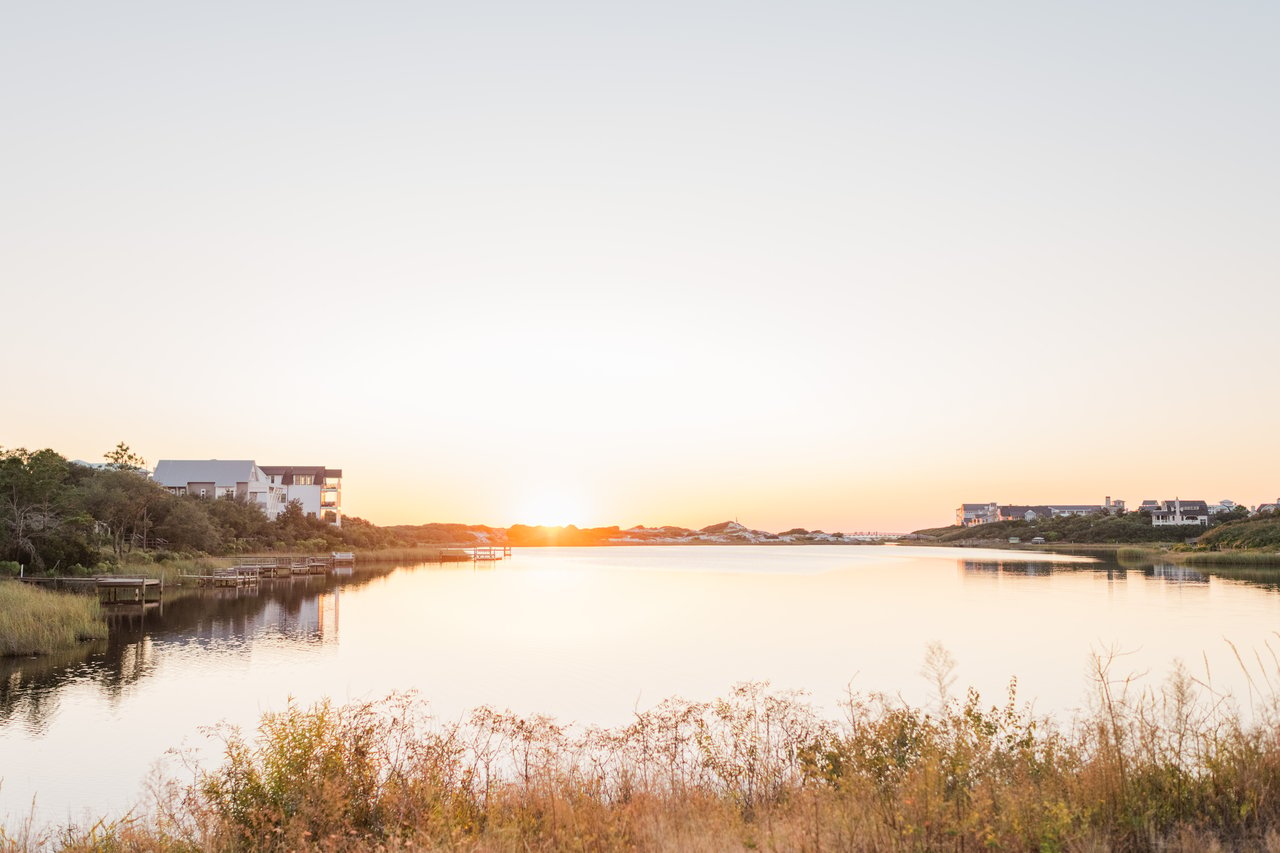
Should you build your dream home on a Sea Grove lot or buy a move-in ready coastal property today? If you’re weighing both paths, you’re not alone. Building promises customization and current code standards, while buying offers speed and predictability. In this guide, you’ll learn how permits, flood zones, costs, timelines, financing, and insurance work in Nassau County’s coastal context so you can choose with confidence. Let’s dive in.
Build vs buy in Sea Grove at a glance
When building makes sense
- You want a customized layout, elevated construction, and finishes tailored to how you live.
- You already own a lot or have identified a parcel with favorable elevation, utilities, and access.
- You’re comfortable with a 9 to 18-plus month timeline and can manage the construction process with a local team.
When move-in ready is smarter
- You want beach living soon and prefer a 30 to 60-day path to closing.
- You value predictable upfront costs and fewer variables.
- You want to avoid coastal permitting complexity and possible delays.
Coastal permitting and rules you must know
CCCL and state coastal permits
If a lot sits seaward of or near Florida’s Coastal Construction Control Line, the Florida Department of Environmental Protection may require state permits and mitigation. Before you make an offer, confirm whether the parcel is within the CCCL area and what that means for setbacks, dune protection, and construction methods. You can review the program overview at the Florida Department of Environmental Protection’s CCCL resources.
Flood zones, elevation, and foundations
A lot’s FEMA flood zone and Base Flood Elevation affect your foundation type and minimum finished floor height. Parcels in coastal VE zones typically require pile-supported foundations and breakaway walls. Always verify the current Flood Insurance Rate Map and BFE for the exact property through the FEMA Flood Map Service Center, then confirm local elevation requirements with Nassau County’s building department.
Florida Building Code and wind standards
New coastal homes must meet the current Florida Building Code for wind loads, uplift, and impact protection for windows and doors. These resilience features can improve storm performance and may help with insurance pricing compared to older homes built under prior code cycles. You can review Florida Building Code resources through the Florida Building Commission.
Utilities, septic vs sewer, and fees
Not every coastal lot is served by public sewer and water. Some parcels may require septic systems, which triggers separate approvals and siting constraints. Factor in connection or impact fees and any neighborhood assessments. Confirm availability and permitting requirements with Nassau County utilities and the health department before you commit to a lot.
Permitting timeline
Expect multiple steps: zoning and site plan confirmation, environmental clearances when applicable, building permit, trade permits, and inspections leading to a certificate of occupancy. If state coastal permits apply, add weeks to months to your timeline, and plan for seasonal slowdowns or post-storm backlogs.
Cost and timeline comparison
Upfront costs: buy vs build
- Move-in ready: purchase price, closing costs, and any immediate upgrades. If the home predates current codes, budget for maintenance and potentially higher initial insurance.
- Build on a lot: lot price, surveys, geotechnical testing, site work, foundation (often pilings in VE zones), construction, permits, utility hookups, impact fees, and a contingency. A 10 to 20 percent contingency is common for coastal builds because soils, elevation, and wind-rated components can shift costs.
Realistic timelines
- Buy move-in ready: many closings occur in 30 to 60 days, barring title or HOA complexities.
- Build on a lot: plan for 1 to 6-plus months for preconstruction and permitting, then 6 to 12-plus months for construction. A 9 to 18-plus month total is realistic in Nassau County coastal areas.
Financing paths and what to expect
- Purchase loans: conventional, VA, and FHA may be available, subject to property condition and appraisal.
- Construction financing: typically interest-only during the build with draw inspections and higher down payment requirements. Many buyers use one-time-close construction-to-permanent options. Lenders will evaluate the builder contract, plans, and appraisal of the completed home.
- Insurance during construction: your lender may require builder’s risk and show proof of wind and flood coverage before converting to permanent financing.
Insurance and operating costs
Coastal properties carry higher wind and flood exposure. New construction that meets current code can help with ongoing insurance costs, though premiums still reflect location and elevation. For existing homes, review mitigation features like impact-rated windows and roof-to-wall connections. Learn the basics of flood insurance through FEMA’s National Flood Insurance Program resources.
Site-specific checks for Sea Grove lots
Soils and geotechnical
Sandy coastal soils vary. Order geotechnical borings to confirm bearing capacity and estimate pile count and depth. Poor soils or organics can increase foundation costs.
Dunes, elevation, and erosion
Dune systems protect the shoreline and are often regulated. Finished floor height relative to BFE and the need for breakaway walls can influence design. Ask about local beach management practices and any restrictions on seawalls or dune alteration.
Access, utilities, and environmental constraints
Private roads, shared easements, or narrow access points can affect construction logistics and long-term maintenance. If the parcel is near wetlands or tidally influenced areas, you may need additional state or federal clearances. Utility line extensions and connection fees can add materially to your budget.
Market, resale, and lifestyle considerations
Buyer pool and resale
Move-in ready homes command attention from buyers who prioritize speed and certainty, often achieving higher prices per square foot for convenience. Custom homes can achieve a premium when the design and finishes fit neighborhood expectations. Remember that personal design choices may narrow your future buyer pool.
HOA and design review
If Sea Grove parcels are governed by an association, expect architectural review, material and color guidelines, and timelines for approvals. These standards can streamline quality yet restrict certain design ideas. Obtain CC&Rs and the architectural review process before you finalize a build plan.
Timing and inventory
In softening markets, buyers often favor move-in ready options. When inventory is scarce, building can be the path to get the location and features you want. Lot supply cycles, especially near the shore, can tighten quickly, which affects pricing and time horizons.
Step-by-step checklist for your decision
Verify lot and regulatory status
- Order a boundary and topo survey to confirm setbacks, easements, and elevation.
- Confirm flood zone and BFE through the FEMA Flood Map Service Center.
- Ask whether the parcel lies inside the CCCL and whether state permits apply through the Florida Department of Environmental Protection.
- Confirm zoning, setbacks, and minimum finished floor elevation with Nassau County departments.
Commission technical assessments
- Geotechnical soil borings for foundation design and piling estimates.
- Wetlands or environmental screening if near tidal or sensitive areas.
- Septic feasibility test or written confirmation of sewer service.
Due diligence on cost and time
- Get multiple builder estimates with line items for site work, foundation, shell, finishes, and permits. Include a realistic contingency.
- Ask county and state agencies for expected permit timelines based on your site.
- Request insurance quotes for both scenarios: the proposed new build and a comparable move-in ready home.
Financing and legal checks
- Compare construction-to-permanent loans against traditional purchase loans.
- Review property taxes, any special assessments, and whether beach renourishment or stormwater projects could impact costs.
- Obtain HOA covenants and architectural guidelines early.
Builder selection and contract structure
- Verify licensing, coastal experience, references, insurance, and warranty terms.
- Favor clear scopes, fixed-price or well-defined allowances, and construction schedules tied to inspection milestones.
Resale and exit strategy
- Study comparable sales for completed homes nearby to guide your finish levels and budget.
- Consider who your future buyer could be and how design choices affect appeal.
How we help you decide
Choosing to build or buy in a coastal setting is a big call. You deserve a clear plan based on your timeline, budget, and tolerance for complexity. Our team guides you through both paths, from identifying move-in ready opportunities to coordinating the right local experts for lot due diligence.
If you want speed and certainty, we help you zero in on the best-fit listings, coordinate private showings, and clarify insurance and operating costs. If a custom build is the better path, we help you map the due diligence, introduce vetted coastal builders, and assemble the details lenders and insurers will require. Wherever you land, your lifestyle needs lead the way.
Ready to compare options side by side and move forward with confidence? Connect with our team at The Kendall Hood Collection to start your plan.
FAQs
What should I check first before buying a Sea Grove lot?
- Confirm flood zone and BFE, whether the lot is inside the CCCL, and basic utilities availability, then order a survey and geotechnical borings.
How long will a new coastal build in Nassau County take?
- Plan for 9 to 18-plus months from lot acquisition to move-in when you include permitting, site work, and construction.
Is buying a move-in ready Sea Grove home faster and more predictable?
- Yes. Many purchases close in 30 to 60 days, and costs are easier to forecast compared to a ground-up coastal build.
Will new construction lower my insurance costs?
- New homes built to the current Florida Building Code often include wind and impact protections that can help with pricing, but location and elevation still drive premiums.
What permits might I need for a beachfront or dune-adjacent lot?
- Expect county building permits plus possible state coastal permits if within the CCCL, and additional approvals if wetlands or protected areas are involved.
Can I finance the lot and the build together?
- Many lenders offer construction-to-permanent loans that combine both, typically with interest-only payments during construction and stricter underwriting.
What are the biggest hidden costs when building near the coast?
- Foundation and piling requirements, site work, utility extensions, impact fees, and permitting delays are common budget drivers in coastal zones.
Explore your options with a tailored plan today at The Kendall Hood Collection.