If you picture a second home as a place where you can park the car, slow down, and fall into an easy beach-town routine, Seaside stands out right away. Buying here is not just about owning near the water. It is about choosing a community designed for walking, biking, and repeat visits that feel simple from the moment you arrive. If you are weighing lifestyle, rental potential, and day-to-day ownership logistics, this guide will help you think through what matters most in Seaside. Let’s dive in.
Why Seaside Feels Different
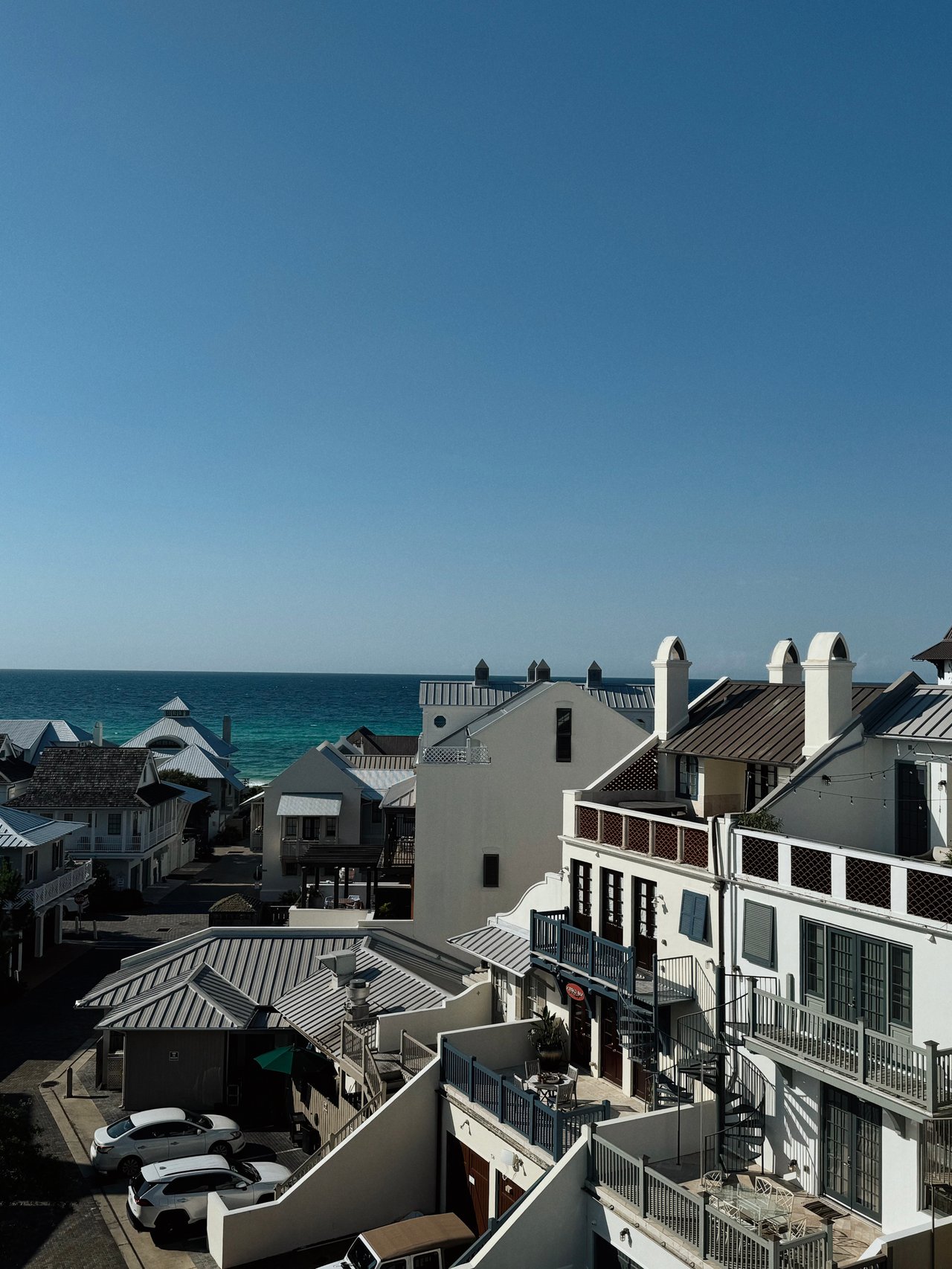
Seaside was designed around a human-scale layout, not a car-first one. Official community materials describe it as the world’s first New Urbanist town, with more than 300 homes, shops, restaurants, and galleries arranged to make walking and biking easier than driving.
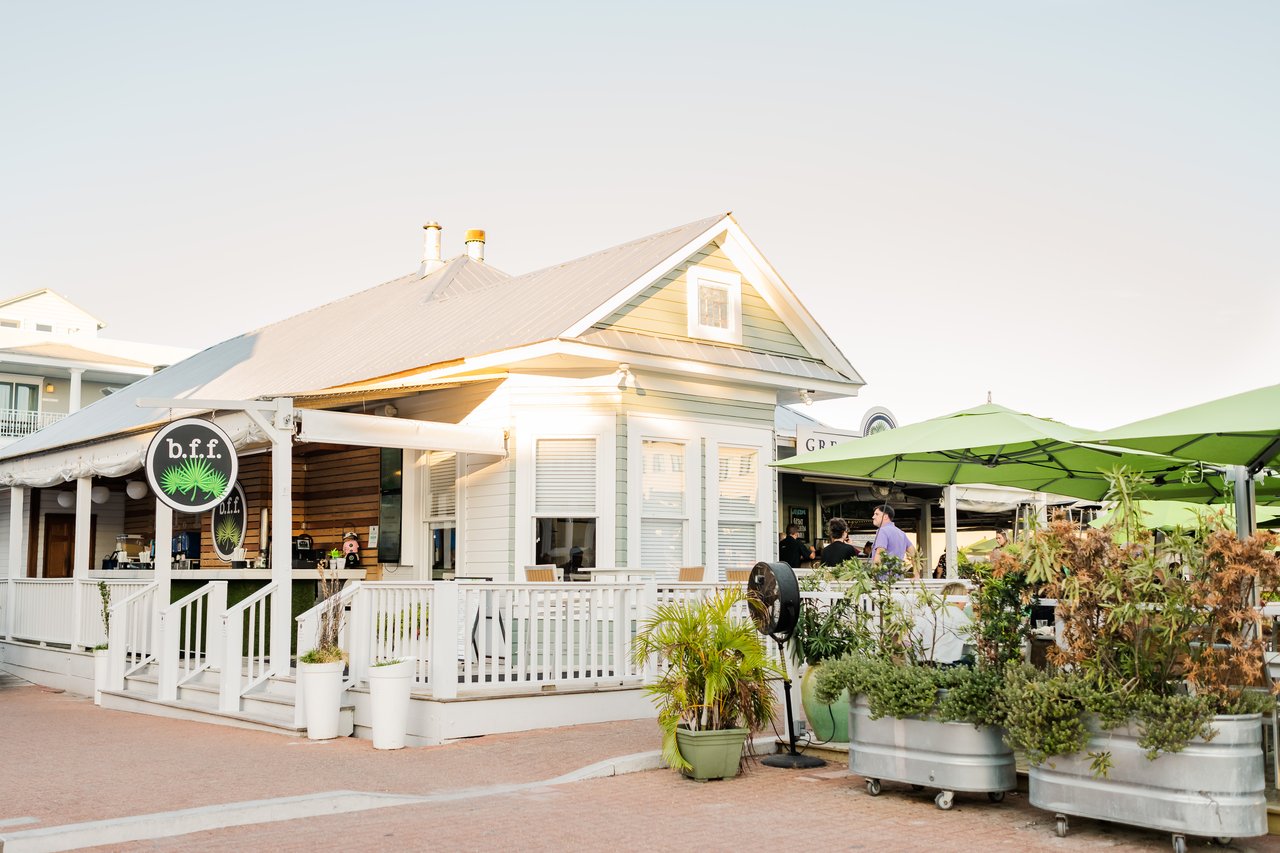
That design shows up in daily life. Seaside says the town is about a 10-minute walk end to end, and many residences are within a five-minute walk of the town center, shopping, and dining. For you as a second-home owner, that can make even short stays feel useful and restorative.
Instead of planning every outing around parking and traffic, your routine may become much simpler. You might walk to the beach in the morning, head to Central Square later, grab dinner nearby, and return home on foot or by bike without much coordination.
A Town Built for Repeated Use
Some places feel best for a long weekend. Seaside feels designed for coming back again and again. The official shopping and activity materials highlight boutiques, galleries, home furnishings, dining, movie nights, sports, beach programming, and self-guided walking experiences that support a steady, lived-in rhythm.
That matters for second-home ownership because your property is not just a backdrop for vacations. It becomes part of a routine you can easily step back into, whether you visit for three days or three weeks.
What Ownership Looks Like Day to Day
In Seaside, convenience often comes from proximity rather than scale. You are not relying on long internal drives or spread-out amenities. Much of the appeal is that everyday destinations are clustered in a pedestrian-friendly center.
For many buyers, that means the home itself becomes one piece of a larger lifestyle system. The porch, the bike ride, the walk to dinner, and the access to public space all matter as much as square footage.
Walkability Is a Real Asset
Walkability is not just a nice extra in Seaside. It is central to the ownership experience. The town promotes itself as one of the most walkable shopping destinations on 30A, and its broader planning supports short trips by foot throughout the community.
If you are purchasing a second home for ease and flexibility, this can be a major advantage. You may spend less time coordinating logistics and more time enjoying the home and surrounding town.
Bikes Are Part of the Routine
Seaside’s official materials also make clear that biking is part of how people move through town. The Seaside Transit Authority is identified as the official rental bike provider for guests and visitors, which reflects how normal bike use is within the community.
As an owner, that shapes practical decisions too. You may want to think about bike storage, guest access to bikes, and how your household will move around during busier times of year.
Architecture Shapes the Ownership Experience
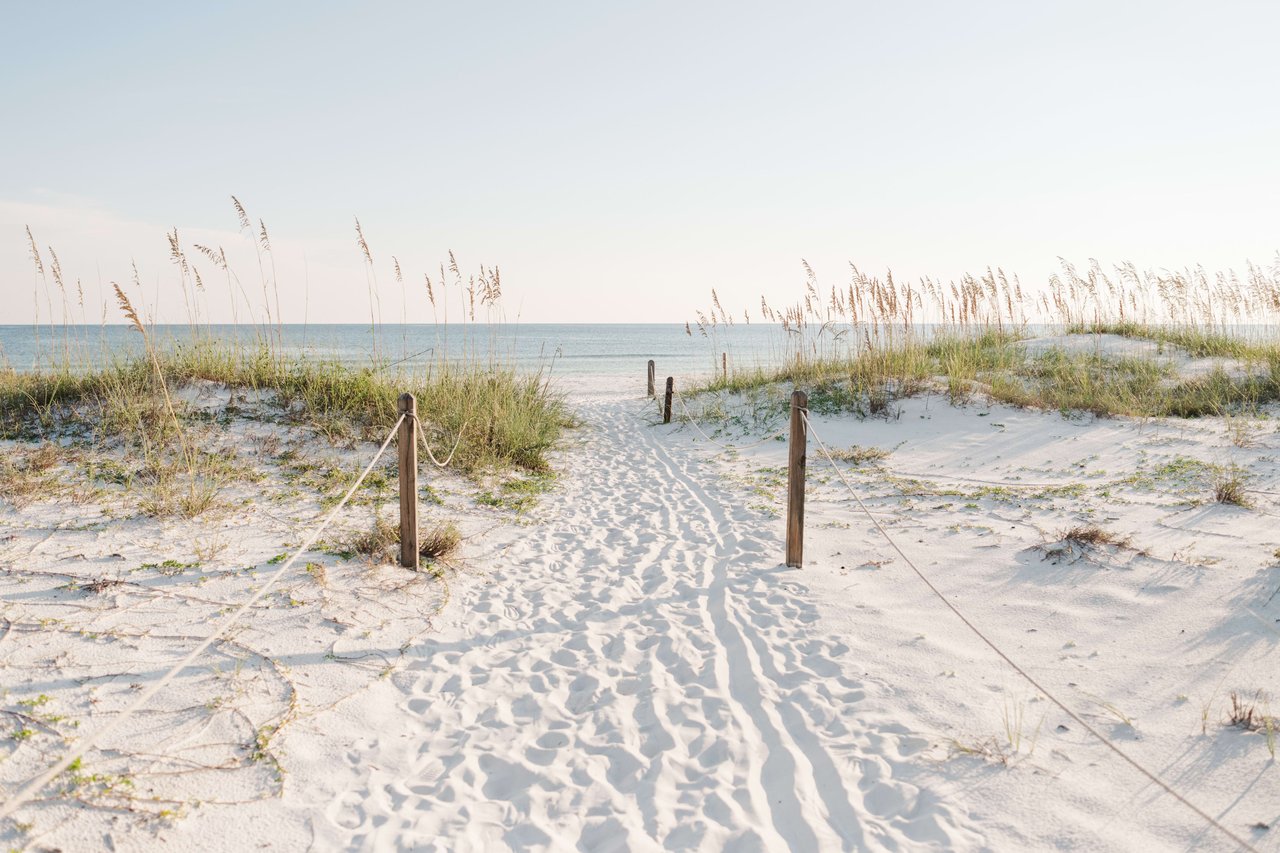
Seaside’s architecture is a major part of its appeal. Official descriptions emphasize brick-paved roads, white-sand footpaths, front porches, native landscaping, and a town plan intended to put people first.
The design language is not accidental. The Seaside Institute’s explanation of the town’s planning points to small houses with front porches, narrow streets, Central Square, Ruskin Place, and public beach pavilions that encourage community life and shared outdoor space.
For you, this often means buying into a strong visual identity, not just a location. That consistency can be part of the long-term value of owning here, especially if you want a second home with a distinct and recognizable sense of place.
Exterior Changes Require Planning
That same design consistency comes with more oversight. Seaside’s official site identifies a town architect, and Architectural Review Committee materials show review activity tied to new construction, renovations, contractor approvals, and visible exterior items such as paint, roofs, decks, doors, stairs, gutters, and landscape plans.
The practical takeaway is simple. If you plan to renovate or make exterior changes, expect a review process rather than a quick cosmetic update. That extra step can help preserve Seaside’s cohesive character, but it also means your project timeline may need more planning.
Parking and Peak-Season Logistics
Even in a walkable community, parking still matters. Seaside’s current parking page lists hourly pricing at $5 from 8 a.m. to 10 a.m., $7 from 10 a.m. to 7 p.m., and $5 from 7 p.m. to 9 p.m.
The town also uses managed parking and a complimentary shuttle. According to Seaside’s 2026 parking announcement, the shuttle runs daily from 6 a.m. to midnight from a designated lot off Highway 331 South, with drop-off under the Lyceum Archway.
For second-home ownership, the key is mindset. Seaside tends to work best when you treat your car as an arrival and provisioning tool, while relying on walking and biking once you are in town.
Planning Around Busy Seasons
If you expect frequent guest visits or holiday use, transportation habits matter. Guests who arrive expecting door-to-door convenience everywhere may need a quick reset on how Seaside functions best.
That is not a drawback for many owners. In fact, it is often part of the appeal. The town’s compact layout rewards a slower, more local pattern of movement that feels very different from larger resort areas.
Rental Use Changes the Equation
If you are considering a hybrid property that serves both as a personal retreat and a rental, Seaside has a well-established rental ecosystem. The official rental page says Homeowner’s Collection is the town’s largest vacation rental company, with more than 190 private homes in its portfolio, and notes that it is the only exclusive onsite rental agency for Seaside properties.
That kind of infrastructure can be helpful if you want a property that supports repeat guest use. It also signals that second-home ownership in Seaside is not unusual. Buyers can approach a purchase as primarily personal use, a blended use property, or a more actively managed vacation rental.
Walton County Short-Term Rental Rules
If you plan to rent for short stays, Walton County rules become essential. The county says short-term vacation rentals require annual registration through its Vacation Rental Registration Program, and any owner renting a property for 30 consecutive days or less must apply for a short-term rental permit.
The county also states that short-term vacation rentals are generally those rented more than three times in a calendar year for periods under 30 days, or properties advertised as regularly rented to guests. That means even occasional rental use can trigger registration requirements.
Local Responsible Party Requirements
Walton County requires a separate local responsible party for short-term rentals. According to the county FAQ, that person must be available 24/7, capable of responding within one hour to issues, and must monitor the property at least once weekly for compliance items such as parking and trash.
The county also lists current fees of $300 per property for initial or annual individual registration, $227 for community registration, and a $500 per day penalty for operating without registration. If rental income is part of your plan, these are not small details. They should be part of your decision early, not after closing.
Taxes and Homestead Considerations
Registration is only one part of the rental picture. Walton County’s Clerk says South Walton properties, including Seaside ZIP codes 32459 and 32461, are subject to a 5% Tourist Development Tax on rent and required fees.
The Clerk also notes that platforms such as Airbnb and VRBO are not collecting Walton County Tourist Development Tax on the owner’s behalf. Florida’s Department of Revenue adds that local option transient rental taxes apply to accommodations rented for six months or less.
When a Second Home Is Not a Homestead
For many buyers, the biggest tax distinction is whether the home is truly a second home or a permanent residence. Florida’s Department of Revenue states that homestead exemption is tied to a property that is the owner’s permanent residence, and the Walton County Property Appraiser says the deed must be recorded in Walton County and applications are due by March 1.
Walton County also notes that certain owner-occupied, full-time, homesteaded primary residences that are otherwise compliant may be exempt from short-term rental certification. In practical terms, a part-time second home will usually not qualify for homestead treatment unless it becomes your permanent residence.
Seaside Compared With Nearby 30A Communities
If you are still narrowing your search, it helps to understand how Seaside compares with a few nearby 30A communities. Each offers a different ownership experience, even when they share strong design standards and walkability.
Seaside vs. Rosemary Beach
Rosemary Beach is one of the closest comparisons for buyers who want another walkable New Urbanist setting. Its property owners association describes a town center connected by meandering paths, boardwalks, and cobblestone streets, with destinations generally within a five-minute walk.
Rosemary Beach also emphasizes an alley system and hidden parking to preserve its pedestrian feel. If you are comparing the two, Seaside may feel more casual and iconic in its beach-town rhythm, while Rosemary reads as similarly walkable but somewhat more formal in layout and planning.
Seaside vs. Alys Beach
Alys Beach offers a more sculptural and privacy-oriented experience. Its official materials say the architecture and pedestrian paths are oriented to the shoreline and landscape, while public parking is limited to marked spaces and private parking courts are reserved for owners and rental guests.
Compared with Seaside, Alys can feel more curated and controlled. If you want a second home with a compact town feel and an easy public-facing rhythm, Seaside may be the stronger fit.
Seaside vs. WaterColor
WaterColor’s identity leans more heavily into amenities. Official community materials highlight the Beach Club, Camp WaterColor, ten community pools, a lazy river, trolley service, wristbands for amenity access, and parking credentials for certain lots.
That creates a different experience from Seaside’s compact town center model. If you are drawn to a more amenity-programmed environment, WaterColor may stand out. If you prefer a walk-and-bike lifestyle rooted in town design and shared public spaces, Seaside often feels more distinctive.
Who Seaside Fits Best
Seaside tends to make the most sense if you want your second home to feel integrated into a real daily rhythm. It is especially compelling if you value design consistency, a strong sense of place, and the ability to enjoy the area without depending on your car every hour of the day.
It can also be a smart option if you are considering occasional or structured rental use, but only if you go in with a clear understanding of Walton County registration, tax obligations, and local-response requirements. Lifestyle is a big part of the draw here, but good ownership decisions come from balancing that lifestyle with the logistics behind it.
If you are exploring a second-home purchase in Seaside or comparing it with other 30A communities, The Kendall Hood Collection can help you evaluate lifestyle fit, ownership logistics, and the details that matter most for a confident purchase.
FAQs
What makes Seaside appealing for a second home?
- Seaside offers a compact, walkable layout with easy access to the beach, town center, shopping, and dining, which can make short and frequent visits feel simple and enjoyable.
What should Seaside buyers know about renovations?
- Visible exterior changes may require review through Seaside’s architectural oversight process, so renovation timelines and plans should account for approvals.
What are the short-term rental rules for a Seaside property in Walton County?
- If you rent a property for 30 consecutive days or less, Walton County says you must apply for a short-term rental permit and complete annual registration, subject to county requirements.
What taxes apply to short-term rentals in Seaside?
- Walton County says South Walton properties, including Seaside ZIP codes 32459 and 32461, are subject to a 5% Tourist Development Tax on rent and required fees.
Can a second home in Seaside qualify for Florida homestead exemption?
- Homestead exemption is generally tied to your permanent residence, so a part-time second home in Seaside would usually not qualify unless it becomes your primary residence.
How does Seaside compare with Rosemary Beach, Alys Beach, and WaterColor?
- Seaside is best known for its compact town-center feel and walk-or-bike rhythm, while Rosemary Beach is similarly walkable, Alys Beach feels more private and curated, and WaterColor is more focused on amenities.