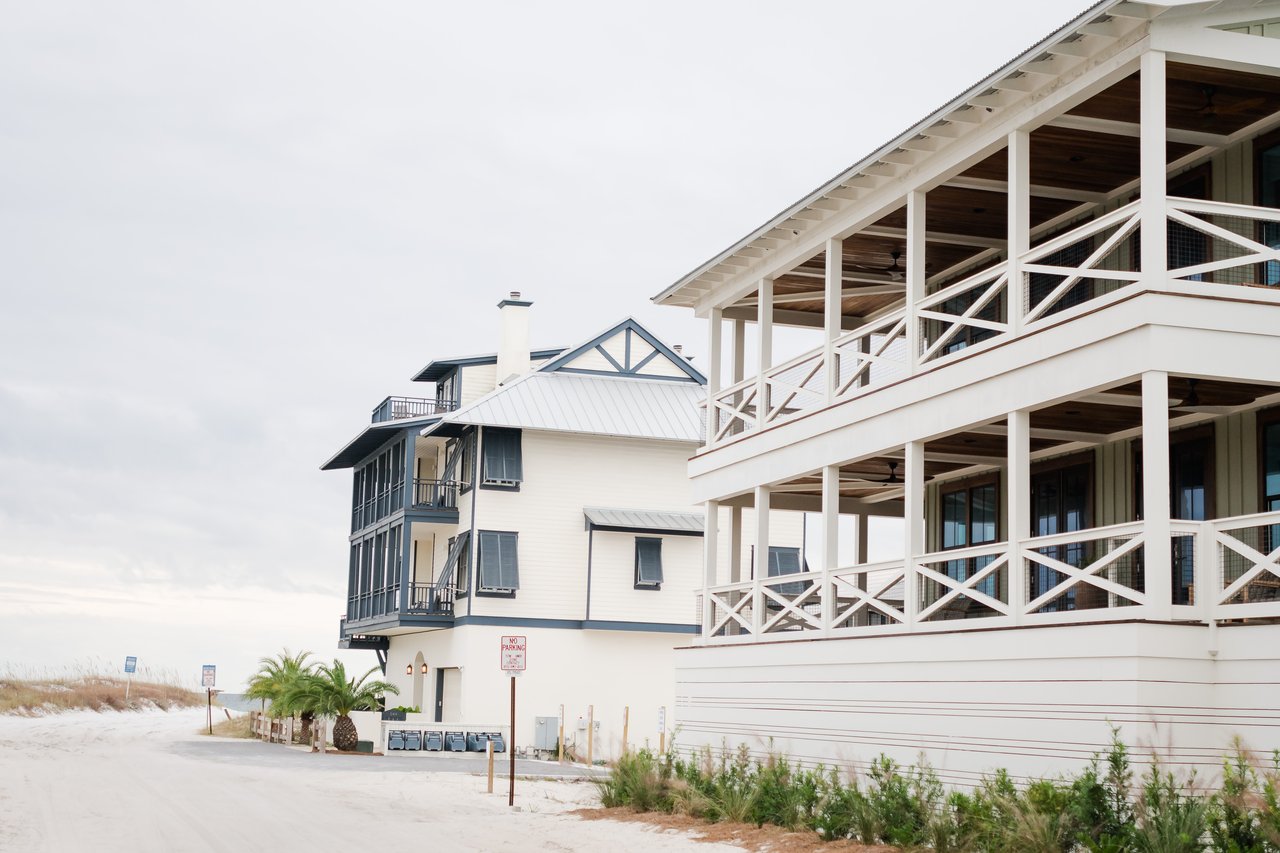
If you own a vintage cottage in Grayton Beach, you are not just selling square footage. You are selling a piece of one of the Gulf Coast’s oldest residential communities, and buyers can feel that difference right away. In a market where homes may sit longer and buyers are watching condition and price closely, the right prep can help your cottage stand out for all the right reasons. Let’s dive in.
Why Grayton Beach cottages stand apart
Grayton Beach was founded in 1890, and Walton County’s neighborhood plan highlights its long history, cottage scale, and collection of historically significant homes. That context matters when you sell. Buyers are often drawn to the area because it still feels distinct, low-scale, and rooted in place.
For a vintage cottage, that means your home’s age is not automatically a drawback. It can be part of the value story if you present it as authentic, well cared for, and ready for the next owner. In Grayton Beach, preserved character often matters just as much as updated function.
Grayton Beach State Park also borders the township, adding to the area’s identity and long-standing appeal. When buyers shop here, they are not just comparing homes. They are comparing settings, lifestyle, and how well a property reflects the character of the community.
Price and presentation matter more now
Spring 2026 market data points to a softer Walton County market. Redfin reported a median sale price of $747,757 and a median of 100 days on market, while Realtor.com described the county as a buyer’s market with homes selling an average of 3.53% below asking and a median of 74 days on market.
The exact day count varies by dataset, but the takeaway is the same. Buyers have more room to pause, compare, and negotiate. If you want strong interest, your cottage needs a pricing strategy and presentation plan that feels credible from day one.
That is especially true for older homes. Buyers may love original porches, wood floors, trim, and cozy room layouts, but they will also look closely at maintenance, systems, and future costs. The more confidence you create upfront, the less likely they are to treat age as a liability.
Show character and condition together
The best Grayton Beach cottage listings do two things at once. They protect the home’s story and reduce buyer uncertainty. In simple terms, buyers want charm they can see and care they can verify.
That means original details should be featured, not hidden. If your cottage has a welcoming porch, vintage trim, wood floors, or classic cottage proportions, those are selling points. They help buyers understand why the home belongs in Grayton Beach.
At the same time, visible charm alone is not enough. Buyers also want to know whether the home has been maintained in a practical, responsible way. Service records, repair history, permit information, and system updates can help support the value of an older property.
Focus on smart pre-listing updates
Before you list, it usually makes sense to prioritize improvements that build buyer confidence. According to NAR’s 2025 Remodeling Impact Report, painting and, when needed, a new roof were among the top agent-recommended projects.
In a buyer-leaning market, practical updates often make more sense than a major custom renovation. For many Grayton Beach cottages, the best return comes from making the home look clean, cared for, and move-in ready without stripping away its character.
Consider a pre-listing checklist like this:
- Fresh interior paint where needed
- Fresh exterior paint or touch-ups
- Pressure washing
- Porch or deck repairs
- Exterior trim repairs
- Landscaping cleanup
- HVAC servicing
- Fixing obvious plumbing issues
- Fixing obvious electrical issues
These updates support the story buyers want to believe. The cottage is charming, yes, but it is also responsibly maintained.
Be careful with large renovations
If you are thinking about bigger improvements before listing, pause and review the local rules first. Walton County’s flood ordinance defines substantial improvement as repairs or improvements over a five-year period whose cumulative cost equals or exceeds 50% of the structure’s market value before work begins.
That can affect timeline, compliance, and budget. In some cases, minimum repairs needed to correct existing health, sanitary, or safety violations are excluded. Alterations to a historic structure can also be excluded if the historic designation is preserved.
For sellers, the lesson is simple. A large pre-listing project may help marketing, but it can also trigger a more complex path than expected. It is often wiser to plan carefully before making major changes to a vintage coastal home.
Prepare for insurance scrutiny early
Older Florida cottages often face insurance questions long before closing. Florida’s homeowners insurance guidance explains that a four-point inspection focuses on the roof, plumbing, electrical wiring, and heating and air systems.
Citizens also requires a four-point inspection for many personal residential applications on homes more than 20 years old and uses roof-age documentation thresholds. That means your buyer may need solid documentation for the very systems they worry about most.
If you can gather records in advance, you make the transaction smoother. Roof documentation, HVAC service records, plumbing updates, electrical work receipts, and permit history can all help reduce friction once an offer comes in.
Save proof for wind mitigation
Wind mitigation can matter to buyers shopping for insurance on the coast. Florida guidance says policyholders may choose a mitigation inspection to determine eligible windstorm premium credits, and the official form requires documentation and photographs for the features being verified.
That is why paperwork matters. If you have invoices, permits, product approvals, or other records tied to roofing, openings, or other storm-related upgrades, keep them organized.
For a vintage cottage, documentation can be just as valuable as the update itself. Buyers often respond well when a charming older home also comes with a clear, organized maintenance file.
Get ahead of flood questions
Flood risk is a key issue in coastal markets, and buyers know it. Florida Statute 689.302 requires a flood disclosure to the buyer at or before contract execution, including whether the property flooded during the seller’s ownership and whether there were flood-related claims or flood assistance.
Walton County also states that FEMA’s Map Service Center is the official flood-map source, and the county Floodplain Manager can provide a parcel determination, often within one business day. That gives sellers a practical way to confirm location-specific flood information before the home hits the market.
Being proactive here helps build trust. If buyers have to chase basic flood answers on their own, uncertainty grows. If you provide clear information early, the home feels more transparent and easier to underwrite.
Do not overlook required disclosures
Older cottages can come with a few extra disclosure issues, and it helps to address them early. If the home has known defects in the sanitary sewer lateral, Florida Statute 689.301 requires disclosure before contract execution.
If your cottage was built before 1978, lead-based paint rules may also apply. EPA guidance says most housing built before 1978 is subject to lead-based paint disclosure requirements, and paid renovation, repair, or painting work that disturbs painted surfaces should use certified lead-safe practices.
These steps are not just about compliance. They also show buyers that you are approaching the sale with transparency, which can strengthen trust in an older-home transaction.
Check for moisture and wood damage
In older coastal homes, moisture-related issues can quietly shape buyer decisions. UF/IFAS notes that wood-destroying-organism inspectors look for visible termites and other wood-destroying organisms, and termites are linked to moisture and poorly ventilated areas.
EPA’s mold guidance also makes the core point clearly: mold control starts with moisture control. For sellers, that means leaks, damp crawlspaces, poor ventilation, and visible signs of water intrusion deserve attention before listing.
Even if a buyer’s lender or insurer later asks for more information, you are in a better position if you have already handled obvious red flags. Preventive work can protect both your pricing position and your negotiation leverage.
Stage the cottage with restraint
Staging matters, especially in a home with smaller rooms and strong architectural personality. NAR’s 2025 staging report found that 83% of buyers’ agents said staging made it easier for buyers to visualize the property as their future home.
For a Grayton Beach cottage, the goal is not to over-style the space. The neighborhood plan emphasizes preserving the community’s historic beauty and low-scale character, so the most effective presentation is often simple, bright, and restrained.
Focus on natural light, open porches, clean sightlines, and room arrangements that help buyers understand flow. Let original details stand out instead of covering them with heavy decor or oversized furniture.
Invest in visual marketing
Today’s buyers often judge a home online before they ever step inside. NAR’s 2025 buyer data shows heavy use of photos at 83%, detailed property information at 79%, floor plans at 57%, virtual tours at 41%, and videos at 29%.
That is a major opportunity for a vintage Grayton Beach cottage. Strong visuals can help buyers appreciate the home’s scale, layout, porch life, and architectural details before they visit.
A polished listing package should usually include:
- Professional photography
- Detailed property information
- A clear floor plan
- Virtual tour options when useful
- Video that captures both the home and its setting
This is especially important for out-of-market buyers, second-home shoppers, and investors who may rely heavily on digital first impressions.
Help buyers picture the lifestyle
A vintage cottage is rarely just a numbers purchase. Buyers want to understand how the home lives. They want to know whether it feels cozy, airy, practical, private, or ideal for casual coastal living.
That is why floor plans, thoughtful staging, and video matter so much. They help buyers connect the home’s dimensions to a lived experience, especially when the layout is older and less standardized than newer construction.
In Grayton Beach, authenticity is part of the appeal. The best marketing helps the right buyer see that your cottage is not trying to be something else. It is offering character, history, and a more rooted kind of coastal ownership.
The strongest selling strategy
When you put it all together, the most effective approach is usually not a heavy-handed remodel. It is a balanced plan that protects character, handles obvious repairs, organizes documentation, and presents the home beautifully.
That approach fits both the current Walton County market and the identity of Grayton Beach itself. Buyers are more likely to respond when a vintage cottage feels honest, polished, and easy to understand.
If you are preparing to sell, the goal is simple. Show buyers that your cottage has both soul and stewardship. That combination can be far more persuasive than new finishes alone.
If you want a high-touch plan for prepping, positioning, and marketing your Grayton Beach property, connect with The Kendall Hood Collection for a concierge consultation.
FAQs
What makes a vintage cottage in Grayton Beach appealing to buyers?
- Buyers are often drawn to Grayton Beach’s long history, cottage scale, and preserved character, especially when a home shows authentic details and clear maintenance.
What updates should you make before selling a Grayton Beach cottage?
- The most practical pre-listing updates often include paint, pressure washing, porch and trim repairs, landscaping cleanup, HVAC servicing, and fixing obvious plumbing or electrical issues.
What inspections matter when selling an older cottage in Grayton Beach?
- Insurance-related reviews often focus on four-point inspection items such as the roof, plumbing, electrical, and HVAC, and some buyers may also pursue wind mitigation or wood-destroying-organism inspections.
What flood disclosures apply when selling a home in Grayton Beach?
- Florida law requires a flood disclosure at or before contract execution, including information about flooding during ownership, flood claims, and flood assistance.
Why does marketing matter so much for a Grayton Beach cottage sale?
- In a softer market, strong photography, detailed property information, floor plans, virtual tours, and video can help buyers understand the home’s character, condition, and layout before they visit.