Thinking about renting your Miramar Beach or Sandestin place for short stays? Great idea, but the rules here are detailed and they matter. From county registration to resort and HOA policies, a few missed steps can lead to fines or lost income. In this guide, you’ll learn exactly what Walton County requires, how Sandestin’s layers work, and what to verify before you buy. Let’s dive in.
Walton County rules at a glance
Miramar Beach and the Sandestin Golf & Beach Resort sit in unincorporated Walton County. The county treats a short‑term rental as a stay of 30 nights or less and requires an annual Short‑Term Vacation Rental registration for most properties that rent on this basis. The county’s ordinance outlines definitions, registration, occupancy, parking, trash, posting, and inspection standards for rentals. You can review the full program details in Walton County’s vacation rental ordinance and materials at the county site. See the ordinance summary and standards.
Registration, fees, and timing
You must register each property as a short‑term vacation rental through the county’s program. Applications require proof of state and tax registrations, such as DBPR licensing when applicable, Florida Department of Revenue tax registration, and Walton County tourist tax registration. The county portal handles new filings and renewals. Start with the county’s Vacation Rental Certification Program page.
Effective February 1, 2025, the county lists a 300 dollar initial and annual registration fee per individual property. For community registrations, the county lists 227 dollars per property. Operating without an active registration can trigger civil penalties of 500 dollars per day. Renewal timing has been aligned with the state licensing cycle, and the county sends reminders.
If your property is a condominium or a multi‑unit building type that falls under state hotel and restaurant licensing, the application path is different at the county and you must also maintain the correct state license. More on condos below.
On‑site compliance made simple
Local Responsible Party
Every registered rental must name a Local Responsible Party. This person must be reachable 24/7, able to arrive at the property within one hour, and authorized to handle issues and accept legal notices. Choose someone reliable who understands local codes and your property.
Required posting and occupancy
Inside the property, you must display an informational posting with the property address, the Local Responsible Party’s phone number, the maximum occupancy, the parking diagram, trash and recycling instructions, emergency and evacuation info, and noise and sea‑turtle lighting notices where applicable. The county provides templates.
Occupancy is calculated by the county’s standard unless you set a lower number in your agreement. The county uses a default of one person per 150 square feet of living space, which is helpful to size bedding plans and guest limits.
Parking, trash, and noise
Your rental agreement must outline on‑site parking limits and include a simple sketch that shows where guests can park. Include trash pickup details and remind guests that Walton County enforces a noise ordinance. HOA rules, if any, may be stricter and will control inside that community.
For full requirements, refer back to the county ordinance and program materials. Review the county standards and posting requirements.
Safety and balcony rules you cannot skip
Florida’s Division of Hotels & Restaurants oversees public lodging standards for vacation rentals. That includes sanitation, smoke and carbon monoxide detectors, means of egress, fire safety, and other life‑safety items. If your rental falls into a state‑licensed category, you must follow these rules and keep your license current. Read the DBPR vacation rental guide.
If the building has balconies and is three or more stories, Florida requires periodic balcony inspections on a state form often called HR‑7020. Keep copies on file for your due diligence and management records. See the Florida Administrative Code section on balcony inspections.
Tourist taxes: what you owe and where
Miramar Beach and Sandestin fall in Walton County’s South Walton Tourist Development Tax district, which carries a 5 percent rate. This local tourist tax is separate from state and local sales and use taxes. County materials emphasize that listing platforms may not remit the Walton County TDT for you. You, or your manager, are responsible for registering and remitting. Confirm your property sits in the 5 percent South Walton district and review the county’s TDT program and filing instructions. See Walton County’s tourist tax page.
Buying or selling a rental? Certificates do not transfer
This one trips up many investors. If you buy a property with an existing short‑term rental certificate, it will not transfer to you at closing. You must apply and obtain your own certificate before you advertise or accept bookings as a short‑term rental. Plan this into your timeline during due diligence and escrow. See the county ordinance and program notice on non‑transferability.
Inside Sandestin: resort and HOA layers
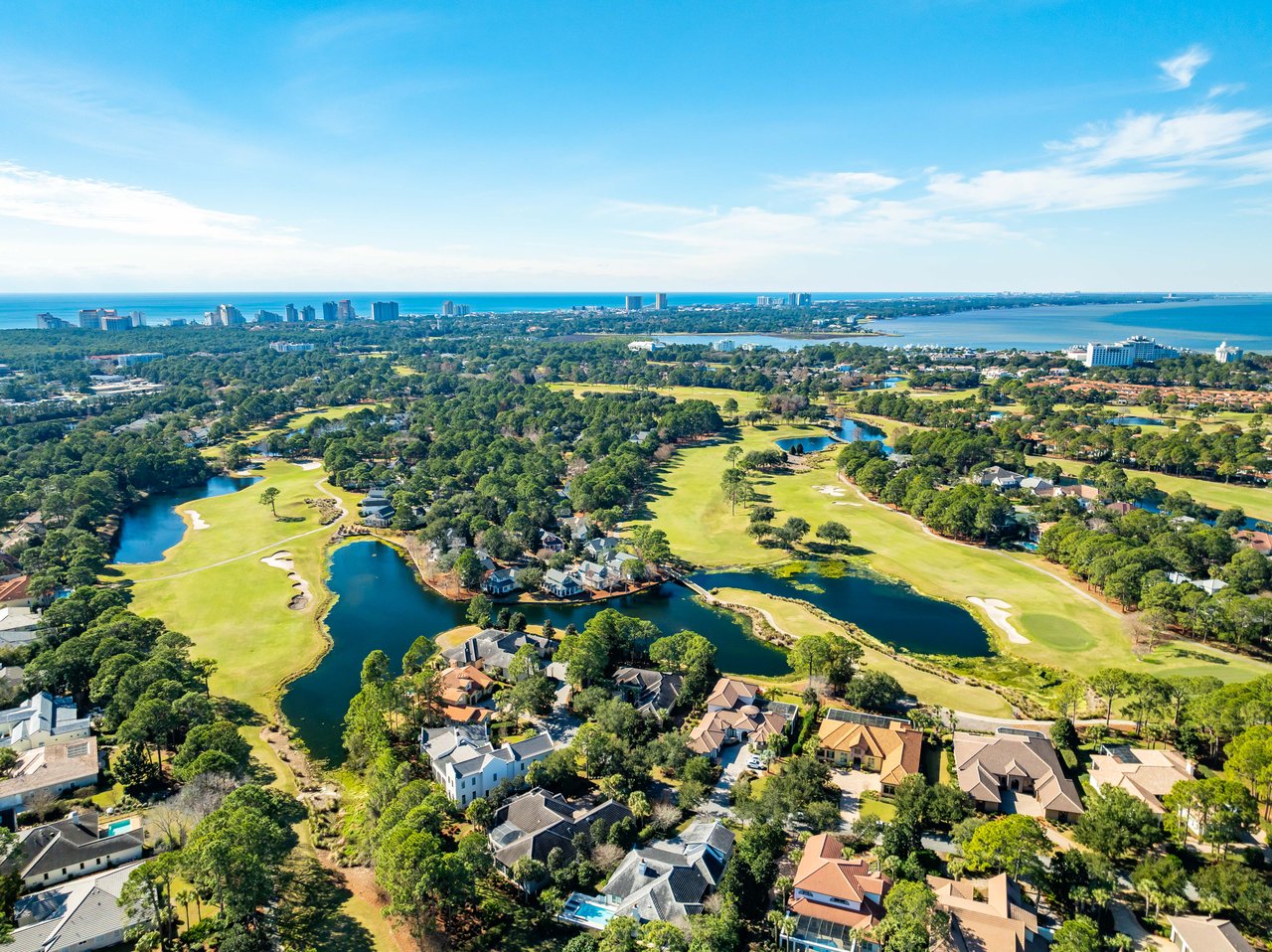
Sandestin is a private resort with multiple layers of control. The resort operates its own rental management program for owners who choose to participate. The Sandestin Owners Association manages roads, landscaping, and security, and individual neighborhoods or condos add their own rules for parking, guest passes, and rental procedures. Before you buy inside the gates, confirm whether a unit participates in the resort’s rental program and what the neighborhood or condo requires for registration and guest access. Review Sandestin’s rental program FAQs.
Amenity access varies. Some owner programs, like the resort’s published beach set‑up offerings, outline benefits that apply to owners but not necessarily to rental guests. If amenities are part of your rental strategy, verify guest eligibility in writing. See an example of Sandestin’s Beach Set‑Up Program language. For general SOA information, consult owner resources. Visit the Sandestin Owners Association FAQ.
Condos vs. single‑family: key differences
Condominiums used as vacation rentals are commonly licensed with the state as Vacation Rental — Condominium. DBPR keeps a database of licensed units and enforces applicable standards. If you are purchasing a condo, request proof of the correct license, and confirm whether the unit is part of an individual, group, or collective license. Review the DBPR licensing overview.
Your association’s governing documents control whether short‑term rentals are allowed and on what terms. Condo declarations and rules can include minimum stays, guest registration processes, and parking pass limits. Changes to leasing rules in condominiums are subject to Chapter 718 of Florida Statutes, which contains specific procedures and grandfathering provisions that can affect whether new limits apply to you. If rental flexibility is central to your goals, get a legal read of the recorded declaration and amendments. See Florida Statutes, Chapter 718.
Single‑family homes and townhomes in unincorporated Miramar Beach fall squarely under the county program. Expect the county’s rules for Local Responsible Party, posting, occupancy, parking, and inspections to apply, with any HOA rules layered on top.
Minimum stay rules in practice
There is no single countywide minimum stay. Minimum nights are usually set by your condo or HOA, the resort or on‑site management program, and seasonal booking strategy. In practice, you will see 1 to 3 nights in shoulder seasons, 7 nights during peak summer, and 28 days or more for some longer stays. Always confirm the specific building or neighborhood’s rules and your manager’s seasonal policy. See Sandestin’s notes on rental program standards.
Buyer due diligence checklist
Ask the seller and association for these items before you commit:
- Walton County short‑term rental certificate and status printout if the property has been rented nightly. Confirm the certificate number and expiration. Remember it does not transfer on sale.
- DBPR license evidence if the property is a condominium or part of a licensed multi‑unit class. Verify whether the unit is under an individual or group license and that the address is listed correctly.
- Walton County tourist tax account proof and the last 12 months of returns. Also request Florida sales and use tax registration and recent filings. Confirm who collected and who remitted each tax.
- Full HOA or condo governing documents. Request the declaration, bylaws, rules, recorded amendments, any rental policy, and recent meeting minutes. Note any minimum stay, guest registration, or parking restrictions, and whether any owners are grandfathered.
- Management agreement if a manager is in place. Ask for 12 to 24 months of rental statements, booking calendars, marketing listings, and evidence of tax remittance. Clarify who serves as the Local Responsible Party.
- Life‑safety compliance. For multi‑story buildings, request the latest balcony inspection filing. Confirm smoke and carbon monoxide detectors, fire extinguishers, and any building safety reports are current.
- Code and enforcement checks. Ask about any outstanding fines, complaints, or failed inspections and require resolution before closing.
- Resort and amenity access summary for Sandestin properties. Confirm owner versus guest privileges, parking pass limits, and any owner‑only programs that will not extend to renters.
Smart questions to ask before you offer
- Does the association allow short‑term rentals? If yes, what is the minimum stay, and are any existing owners grandfathered under older rules?
- Is this unit listed on a DBPR vacation rental license, or is it covered by a group or collective license? If group‑licensed, which units and addresses are included?
- Who is the designated Local Responsible Party, and is there a backup? How quickly can they be on site if an issue arises?
- Can you show the last 12 months of Walton County tourist tax filings and booking platform or manager invoices? Who collected and who remitted each tax?
- Are there any current compliance issues, pending inspections, or association fines tied to the property or building?
Common pitfalls to avoid
- Relying on booking calendars without verifying county registration, DBPR licensing where applicable, and tax filings. A busy calendar does not equal compliance.
- Assuming the county certificate transfers at closing. It does not. You must re‑certify before you operate as a short‑term rental.
- Missing HOA or condo leasing restrictions, or not understanding how new amendments may apply to you under Florida statutes.
- Overlooking balcony inspections and other life‑safety requirements in multi‑story buildings.
Buying or operating a short‑term rental here can be straightforward when you know the checklist. If you want a property that guests love and that stays fully compliant, partner with a local team that lives these details every day. For tailored guidance, neighborhood‑level insight, and introductions to trusted managers and vendors, connect with The Kendall Hood Collection. Schedule Your Concierge Consultation.
FAQs
What licenses and registrations do I need to run a short‑term rental in Miramar Beach?
- You need a Walton County short‑term vacation rental certificate, tourist tax registration with Walton County, state sales and use tax registration, and, for condos or certain multi‑unit properties, a state DBPR vacation rental license.
How much are Walton County short‑term rental fees and fines?
- The county lists a 300 dollar initial and annual fee per individual property and 227 dollars for community registrations, and operating unregistered can be fined 500 dollars per day.
Do short‑term rental certificates transfer when I buy a property in Sandestin?
- No. Certificates do not transfer on sale. You must apply and be approved for your own certificate before advertising or accepting short‑term bookings.
Who can serve as the Local Responsible Party for my rental?
- Any person or qualified company that is available 24/7, can arrive within one hour, and is authorized to address issues and accept notices can serve. Many owners appoint their property manager.
Are amenities at Sandestin automatically available to my rental guests?
- Not always. Some programs are owner‑only. Confirm in writing which amenities and beach services your guests can use under the resort, SOA, and your neighborhood or condo rules.