Trying to decide between a townhome and a single-family home in Inlet Beach? You are not alone. Many buyers weighing a 30A lifestyle or a vacation rental ask the same question. The right choice depends on how you plan to use the home, your appetite for maintenance, and how coastal risks and insurance affect your total monthly costs. In this guide, you will compare costs, financing, lifestyle tradeoffs, and coastal realities so you can make a confident decision. Let’s dive in.
Inlet Beach snapshot
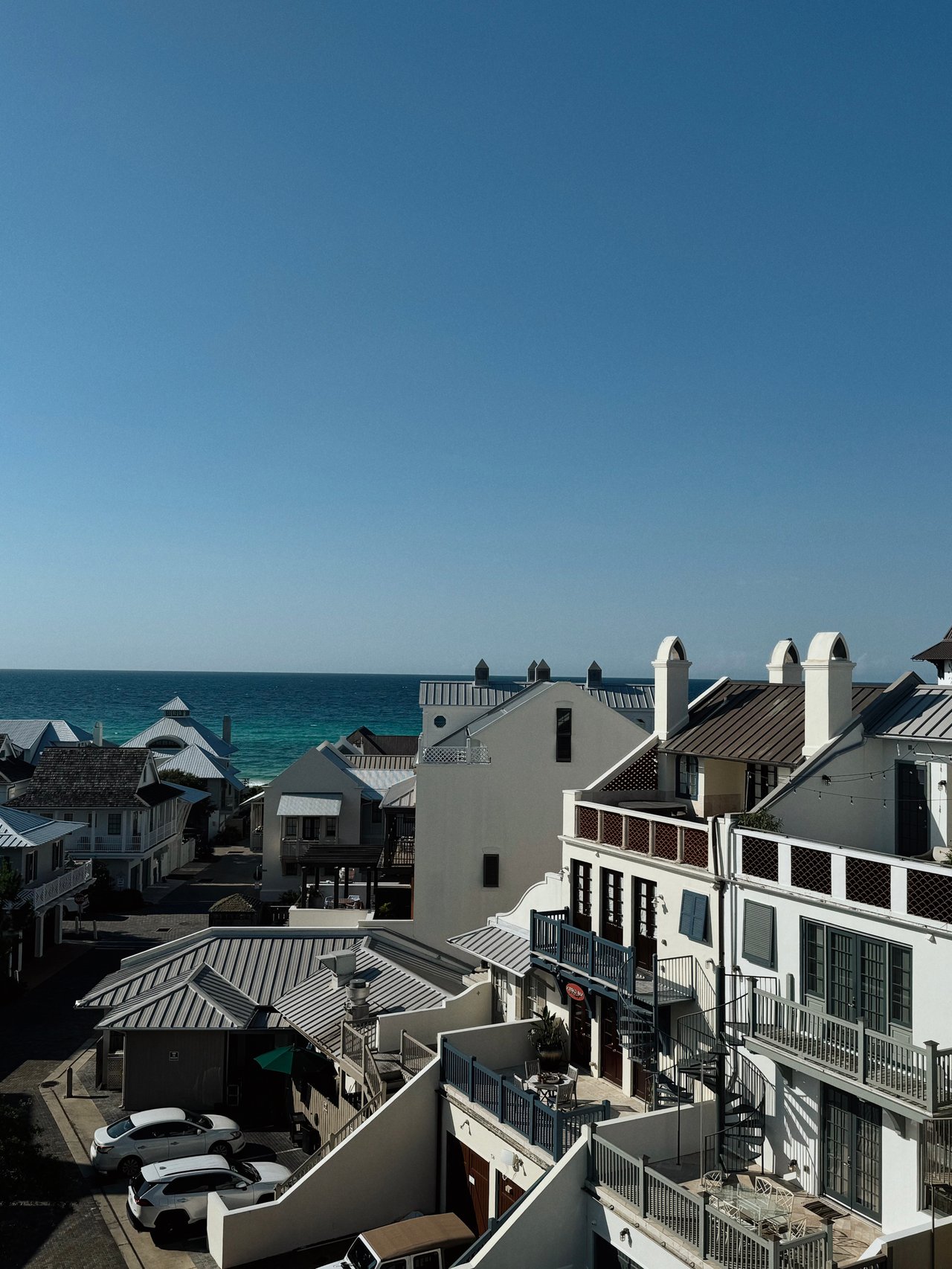
Inlet Beach sits on the coveted 30A corridor with a mix of primary homes, second homes, and short-term rentals. Inventory near the beach is often tight, which supports higher land values and strong demand for properties with beach access or views. Seasonality matters here, with showings and tourism peaking during winter and spring.
Recent Florida coastal trends show the market normalized after rapid 2020–2021 price growth, with many submarkets stabilizing in 2023–2024. The coastal premium remains strongest for homes with direct beach access, views, and walkability to amenities. Always check current comps and active listings before you make an offer.
Cost comparison: townhome vs single-family
Total ownership cost depends on the property’s location, elevation, construction, HOA structure, and insurance profile. Use this side-by-side to frame your budget.
Factor | Townhome | Single-family |
|---|---|---|
Purchase price drivers | Often lower entry price per unit. Pricing varies with proximity to the beach, finishes, and community amenities. | Typically higher, especially with land, yards, or direct beach access. Land value often drives appreciation. |
HOA fees | Common and may cover exterior, roof, landscaping, common-area insurance, and sometimes utilities. Review reserves and assessment history. | Varies. Some neighborhoods have low or no HOA. You cover all exterior and yard costs yourself. |
Property taxes | Assessed on market value. Compare parcel history through the county property appraiser for the specific address. | Same assessment approach. Verify the parcel’s jurisdiction and tax history. |
Insurance | Master policies may cover certain exteriors and common areas. You still need a policy for your unit and contents. Flood insurance is separate if in a flood zone. | You carry full homeowners and wind coverage. Flood insurance is separate if in a flood zone. Premiums can be higher on low-elevation parcels. |
Maintenance | Lower personal responsibility for exteriors. Easier lock-and-leave if HOA handles roof and landscaping. | You handle all exterior, roof, yard, and pool care or hire vendors. More control, more responsibility. |
Pro tip: Create a monthly cost model for each finalist property that includes mortgage, taxes, HOA dues, homeowners insurance, flood insurance, utilities, lawn/pool care, and a reserve for repairs.
Financing differences you should know
Lenders treat fee-simple townhomes differently than condominiums. Many townhomes qualify for standard financing similar to single-family homes. Condominiums may require project approval for certain FHA or VA loans, so clarify the property type early.
If you plan to rent the home, expect different down payment and reserve requirements for investor loans. Lenders also handle rental income in different ways, so talk with your loan officer before you rely on projected rental revenue. For general mortgage guidance, the Consumer Financial Protection Bureau and HUD’s FHA condominium resources are helpful starting points.
Lifestyle tradeoffs that matter on 30A
Privacy and outdoor space
- Single-family homes give you private yards, potential for pools, and more space between neighbors.
- Townhomes often have limited private outdoor areas but access to shared green spaces.
Maintenance and convenience
- Townhomes can be ideal if you prefer low-maintenance living and want to lock up and leave while the HOA handles exteriors.
- Single-family homes give you flexibility to customize but require more hands-on upkeep or vendor management.
Amenities and community feel
- Many townhome communities offer pools, fitness centers, gated entries, and sometimes beach access. These can boost owner enjoyment and renter appeal.
- Single-family neighborhoods may have fewer shared amenities but greater freedom to tailor the property to your lifestyle.
Parking, noise, and seasonal traffic
- Townhome clusters can be denser with shared or limited parking. Consider peak tourist season impacts.
- Single-family parcels typically provide more private parking and room for guests.
Short-term rental suitability
- Both property types can work for short-term rentals where local rules and HOA covenants allow. Confirm restrictions, minimum stays, and registration requirements before you buy.
Coastal risks and insurance realities
Buying near the Gulf requires a clear look at flood risk, wind exposure, and insurance availability.
Flood zones and elevation
Many Inlet Beach properties fall within FEMA Special Flood Hazard Areas. Flood insurance is often mandatory for financed purchases in these zones. Use the FEMA Flood Map Service Center to locate the property on the map and obtain the flood zone. The National Flood Insurance Program explains coverage basics and how elevation certificates factor into pricing.
Storm surge, wind, and building standards
Coastal Florida homes face hurricane wind and storm surge risk. Homes in certain zones may need elevated construction or specific wind-resistant features. For a sense of longer-term exposure, explore NOAA’s sea level rise viewer. The Florida Building Commission publishes code resources that influence how homes are built or elevated in flood-prone areas.
Insurance market considerations
Florida’s coastal insurance market has seen higher premiums and capacity shifts. Compare multiple quotes and confirm deductibles, exclusions, and flood coverage. The Florida Office of Insurance Regulation offers consumer resources on insurer availability, and Citizens Property Insurance Corporation serves as the insurer of last resort for some buyers.
Resale and investment potential
Buyer pools and liquidity
- Townhomes often appeal to lock-and-leave second-home buyers and investors who favor turnkey options and shared amenities. They can sell quickly in vacation rental hotspots.
- Single-family homes attract buyers who value land, privacy, and long-term flexibility. In beach markets, land scarcity can support strong demand over time.
Rental income drivers
If you plan to rent, revenue depends on location, bedroom count, walkability to the beach, amenities, and seasonal occupancy. Build a conservative pro forma that subtracts HOA dues, management, cleaning, utilities, maintenance, insurance, taxes, and reserves.
Appreciation drivers and risk
Proximity to the beach, views, and land value often favor single-family homes. Townhomes in high-demand corridors can also appreciate well, especially when they offer strong amenities and rental histories. Watch for HOA assessment risks and deferred maintenance in older complexes.
Your due diligence checklist
Use this checklist to compare finalist properties side by side.
- Confirm jurisdiction and records
- Verify the property’s county or municipal jurisdiction, parcel ID, and tax history through the local property appraiser site.
- Confirm zoning, allowable uses, and any coastal overlays that affect improvements.
- HOA and community documents
- Obtain CC&Rs, bylaws, budget, reserve study, insurance coverages, recent minutes, and details on special assessments.
- Review rental rules, minimum stays, disaster recovery plans, and post-storm repair procedures.
- Insurance and elevation documentation
- Request the elevation certificate, current homeowners policy declarations, wind mitigation report, and flood loss history if available.
- Get quotes for homeowners, wind, and flood coverage based on your intended use and financing.
- Physical and structural inspections
- Evaluate wind-hardening features such as impact windows, roof attachments, and elevated foundations.
- Check for water intrusion history, salt-air corrosion on systems, and party wall construction in townhomes.
- Rental and occupancy compliance
- Confirm any county or HOA short-term rental restrictions, registrations, and local occupancy taxes.
- If applicable, request historical rental performance and booking records.
- Financing and appraisal
- Clarify whether the home is fee-simple townhome, condo, or detached single-family and confirm any condo project approvals required.
- Ask your lender how rental income and reserves will be treated and how appraisers handle unique coastal comps.
Which is better for you?
Choose a townhome if you want a low-maintenance, lock-and-leave lifestyle with shared amenities and potentially lower hands-on upkeep. This can be ideal for second-home use or a rental-friendly community where rules allow.
Choose a single-family home if you value privacy, outdoor space, and flexibility to customize. You will take on more maintenance, but you gain land and potential long-term appreciation tied to location.
In Inlet Beach, both paths can be excellent when you match the property to your goals and verify the true carrying cost, insurance profile, and rental rules upfront.
Ready to compare specific properties and run real numbers? Connect with The Kendall Hood Collection for local guidance, private showings, and a concierge buying experience tailored to your goals.
FAQs
Which has lower monthly costs in Inlet Beach?
- It depends on the specific property; compare mortgage, taxes, HOA dues, homeowners and flood insurance, utilities, and a maintenance reserve for a true monthly picture.
Are townhomes easier to insure on Florida’s coast?
- Not automatically; insurers price wind and flood risk by exposure, construction, and elevation, and some HOAs carry master policies that affect owner premiums and deductibles.
What is better for short-term rentals in Inlet Beach?
- Townhomes with amenities and walkability can perform well, while single-family homes with more bedrooms and yards can command higher rates; verify HOA and local rental rules.
How do flood zones affect buying near the beach?
- If the home sits in a FEMA Special Flood Hazard Area, lenders usually require flood insurance; review the elevation certificate and obtain quotes before finalizing your budget.
Do lenders treat townhomes like condos for loans?
- Fee-simple townhomes usually qualify for standard financing similar to single-family homes, while condominiums may require project approval for certain loan programs.