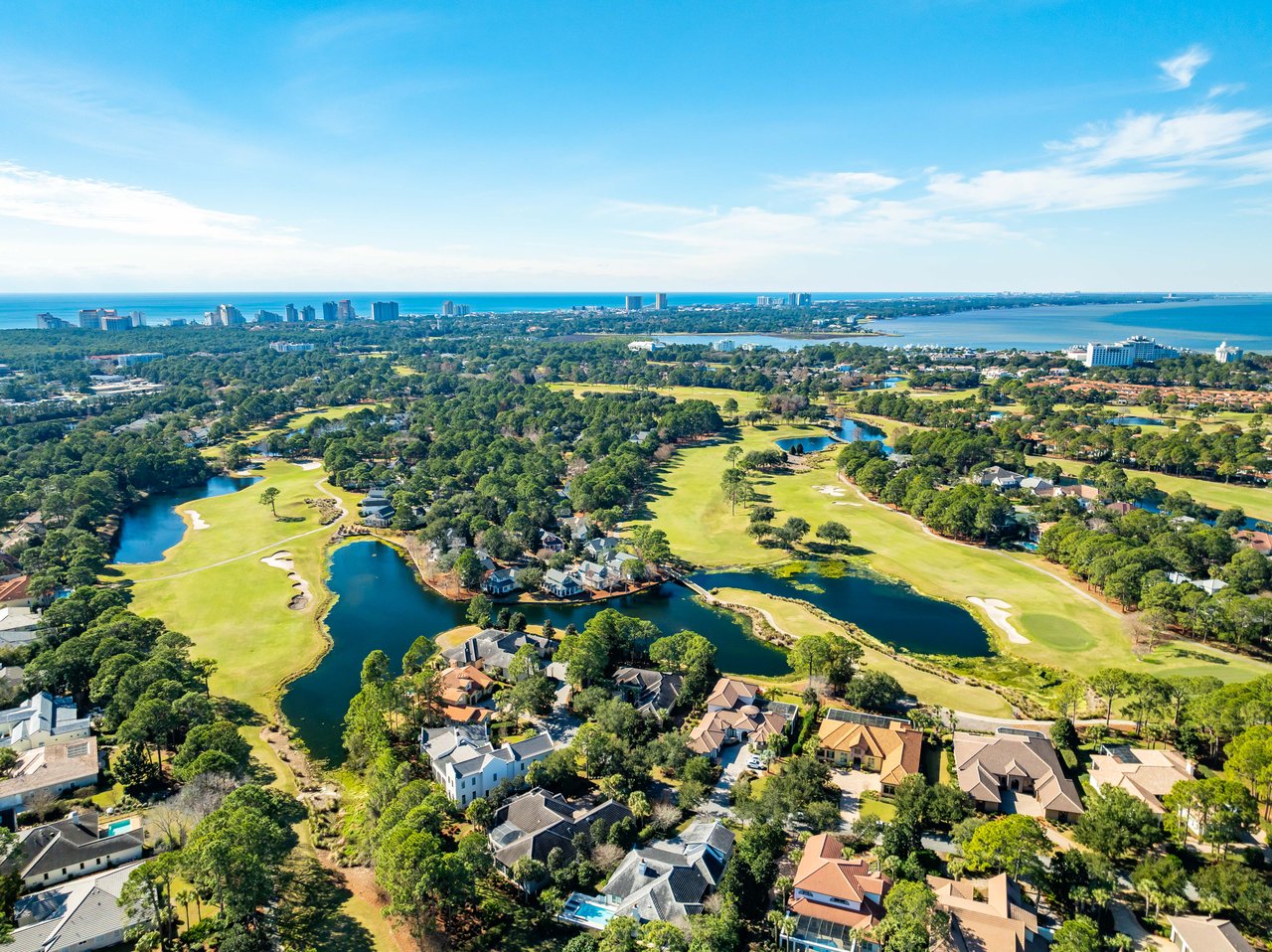
THE SHORT VERSION
People frame this as a view preference. It is really three decisions. Can you keep a boat at the house, which is a yes on the bay and a permanent no on the Gulf. What the flood zone does to your insurance, which is usually the larger of the two bills on the gulf side. And how the property rents, which favors the Gulf by a wide margin. Get those three right and the view sorts itself out.
Buyers arrive on the Emerald Coast with a picture in their head, and the picture is almost always the Gulf. Then they spend a weekend here, someone takes them out on Choctawhatchee Bay at six in the evening, and the whole plan wobbles.
Both sides are good. They are good at different things, and the differences are more concrete than most people expect. Below is how we actually talk this through with clients, starting with the part that decides it for most of them.
What this covers
- The boat question, which usually settles it
- Flood zones, and why the Gulf costs more to insure
- How the two sides rent
- The daily-life differences nobody mentions
- The third option most buyers overlook
- Who we send where
- Frequently asked questions
The boat question, which usually settles it
You cannot have a private dock on the Gulf of Mexico. There is no version of gulf-front ownership that includes tying a boat up behind your house. If a boat is central to how you picture living here, the decision is already made and the rest of this article is confirmation.
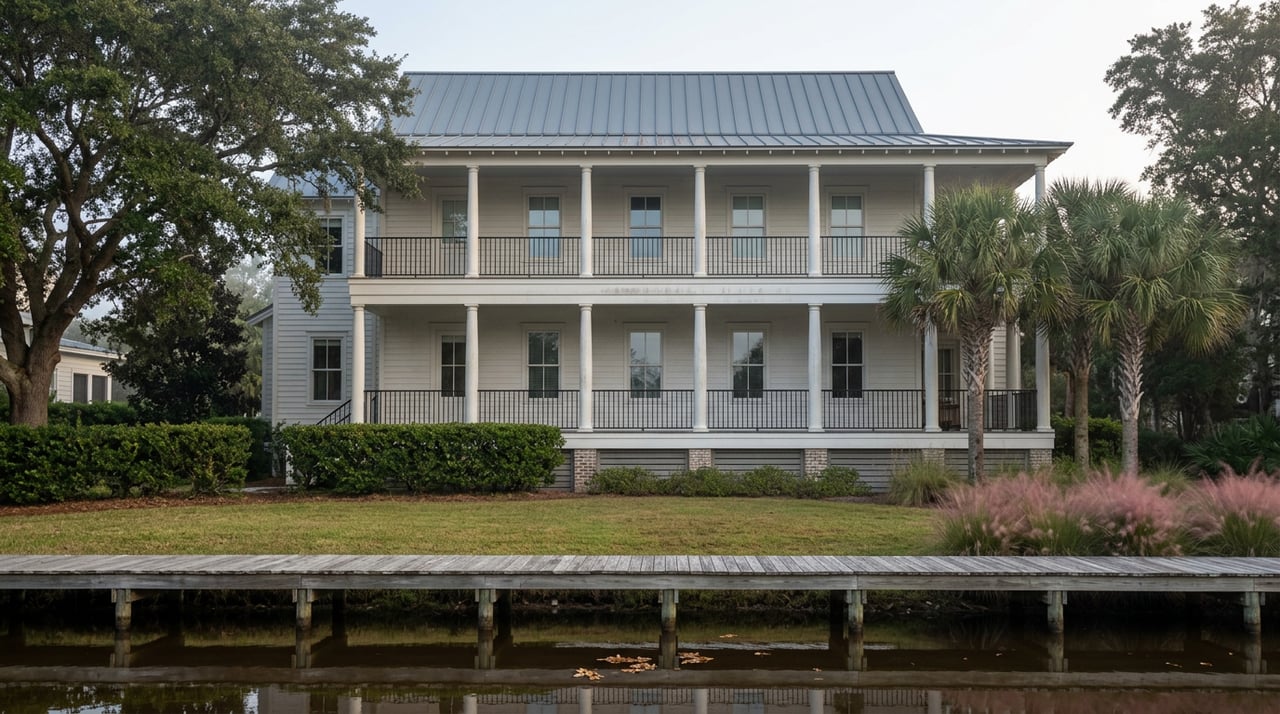
On the bay, a dock and a lift are ordinary. That is the entire functional difference, and it is enormous. It is the difference between deciding to go out at 4 p.m. and planning a boat day two days ahead around a trailer, a ramp, and parking.
What does bay access actually get you?
Choctawhatchee Bay covers roughly 129 square miles across Okaloosa and Walton counties, and it borders Destin, Niceville, Santa Rosa Beach, Valparaiso, and Freeport. It connects west to Santa Rosa Sound and east toward St. Andrews Bay through the Gulf Intracoastal Waterway, so you can run a long way without ever entering open water.
Here is the part buyers should understand before they pick a street. East Pass, the cut at Destin under the US 98 bridge, is the bay's only direct outlet to the Gulf. Every offshore trip from anywhere on the bay goes through it. That makes your run time to the pass a real consideration, not a detail. A dock in Freeport and a dock in Sandestin are both bayfront, and they are not the same boat day.
Worth knowing before you fall in love with a slip: the pass can get sporty on an outgoing tide against a south wind, and locals plan around it. If offshore fishing is the point, buy closer to it. Our guide to buying on the Destin harbor and bay goes deeper on the water side of this.
Flood zones, and why the Gulf costs more to insure
This is the section that changes budgets, and most buyers meet it too late.
FEMA maps coastal property into different flood zones based on expected wave action, and the line between two of them matters enormously. Zone VE is the coastal high hazard area, where wave heights of three feet or higher are expected. Zone AE covers areas where expected wave heights are less than three feet. Gulf-front property frequently falls in VE. Bay property much more often falls in AE.
The consequence is not only the premium. VE construction standards are more demanding: elevated foundations, no structural fill, and the area below the base flood elevation built from flood-resistant materials and kept free of obstructions, with the design certified by a professional. That affects what you can build, what you can enclose underneath, and what a renovation costs.
There is also a line in between that almost nobody knows to ask about. FEMA maps some coastal areas with a Limit of Moderate Wave Action, which marks where waves between 1.5 and 3 feet are expected and defines the inland edge of the Coastal A Zone. FEMA notes that even 1.5-foot waves can cause significant damage to buildings not designed for them, and encourages communities to apply VE-level standards inside that zone.
What to do with this: get the flood zone for the specific parcel before you get attached, not after. Zones vary block to block and sometimes lot to lot, and two houses on the same street can carry very different numbers. Ask your insurance agent for a quote during the inspection period rather than at the end of it. Our hurricane season guide covers protecting the property once you own it.
How the two sides rent
If any part of the purchase depends on rental income, the Gulf wins and it is not close. Vacation demand here is beach demand. Gulf-front and short-walk-to-the-beach properties command higher nightly rates and book deeper into the shoulder seasons than comparable bay properties do.
The bay has a real rental market, and it is a different one. It draws boaters, families who want water without the beach crowd, and repeat guests who found it once and stopped shopping. Rates run lower. Occupancy patterns are less peaked. Some owners prefer that trade because the guest profile is easier on the house.
What we tell investors: if the pro forma is doing the work of justifying the price, the Gulf is the safer underwriting. If the property is primarily yours and rental is a bonus, the bay stops being a compromise and starts being a value.
The daily-life differences nobody mentions
The water itself
The Gulf here is clear, green, and has surf. The bay is calmer, brackish, and darker, fed by the Choctawhatchee River and a string of bayous and creeks. Its salinity rose sharply after a storm enlarged East Pass in 1929, which reshaped the whole ecosystem.
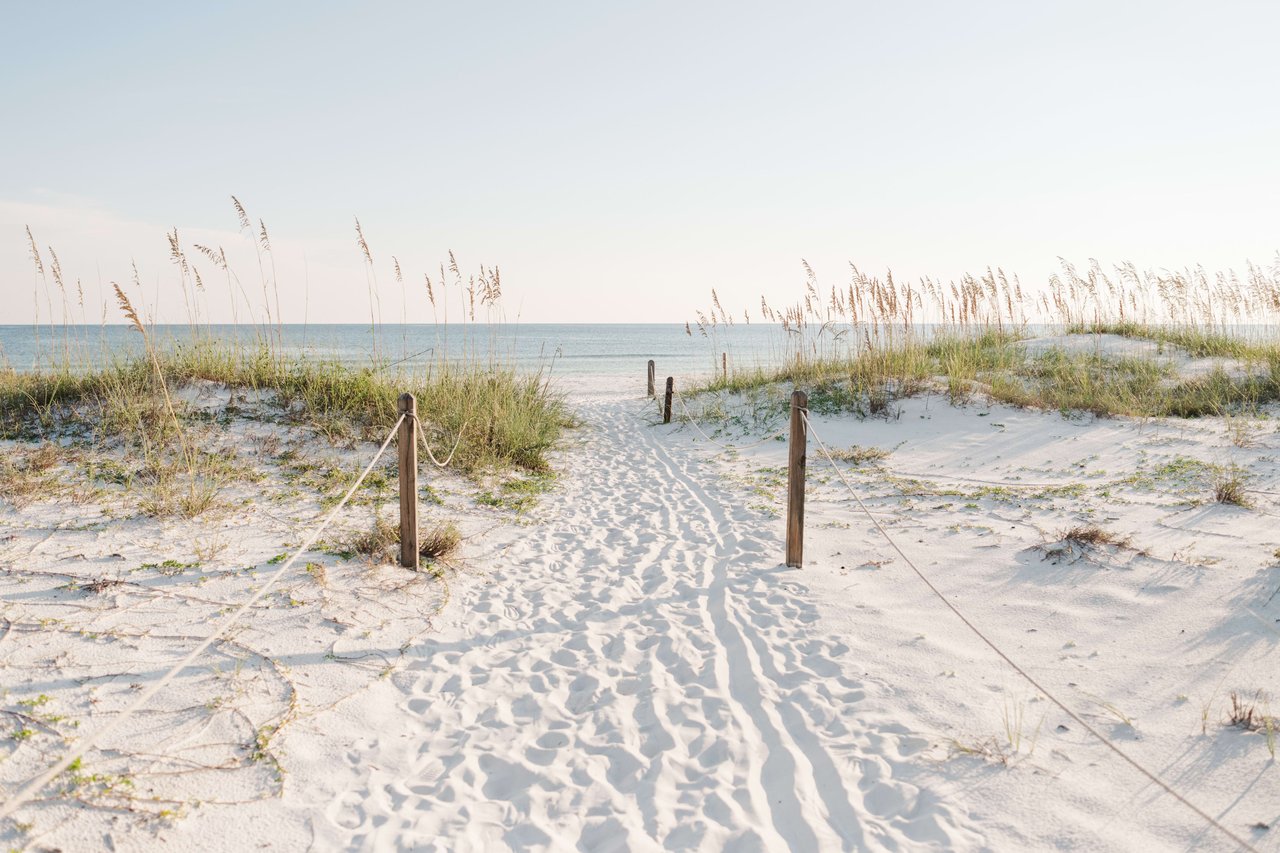
Practically: the bay is better for paddleboards, kayaks, small kids, and anything you would rather do on flat water. The Gulf is better for actually swimming in the ocean and for the beach itself. Bay shoreline is frequently seagrass or marsh rather than sand, which is good for the fishery and disappointing if you pictured walking out onto sugar sand from your back door.
Light, heat, and sunsets
Gulf-front on 30A faces south, so you get water all day and a sunset over water most of the year. Bayfront orientation varies by parcel, and a west-facing bay lot delivers a sunset that will end arguments. It also delivers afternoon heat straight into your main living space, which nobody thinks about in February.
Bugs, wind, and the small stuff
The bay is buggier at dusk in the warm months. Gulf breeze keeps the beach side clearer. Conversely, the Gulf side takes more salt spray, which is hard on exterior metal, and gulf-front homes carry sand and dune management responsibilities that a bay lot does not.
Getting anywhere
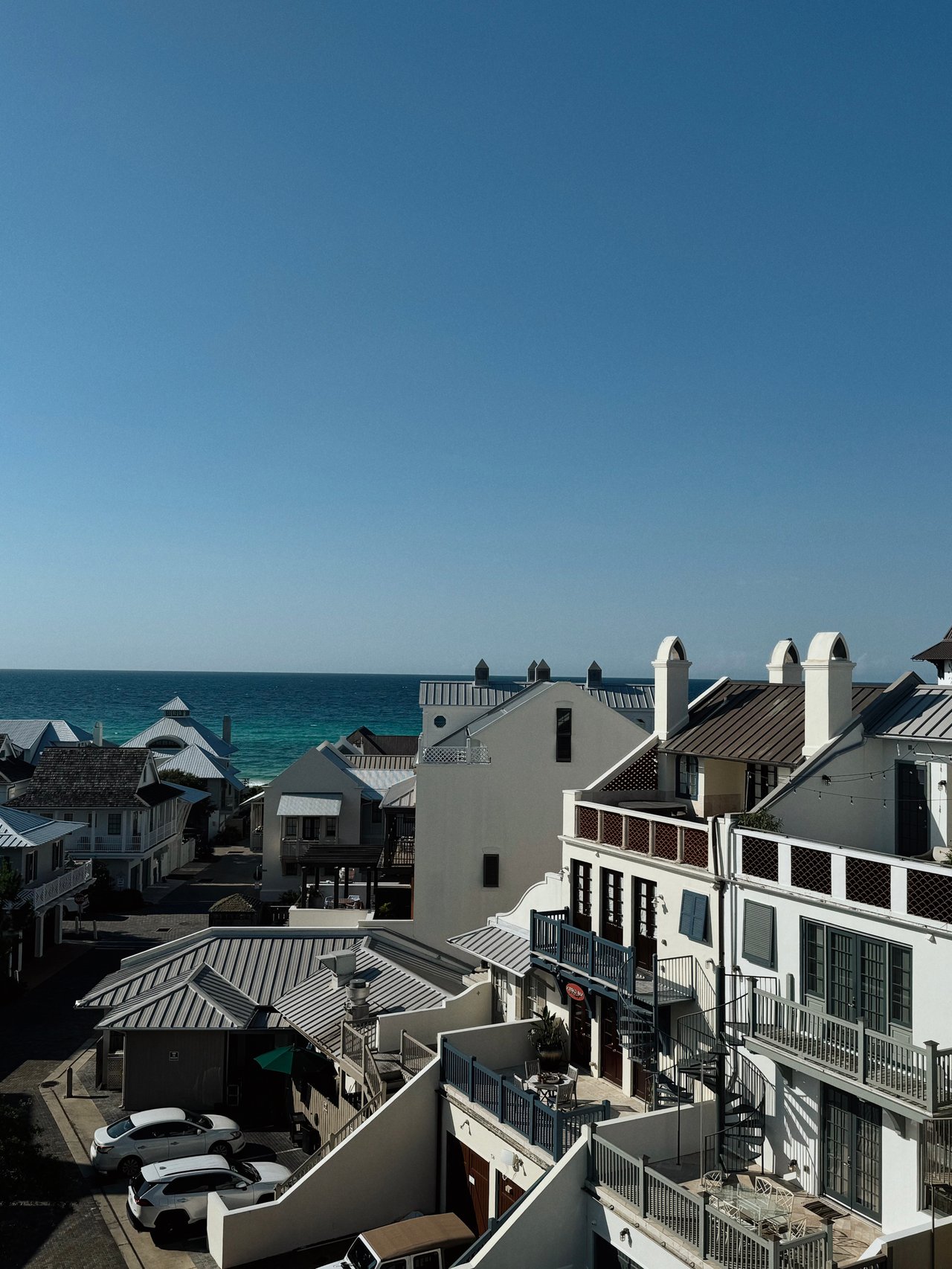
The bay side sits closer to US 98 and generally moves better. In July, when 30A becomes a parking lot with a view, that is worth more than it sounds. The tradeoff is that you are driving to the beach rather than walking to it.
The third option most buyers overlook
There is a category between the two that does not exist in most of the country. Walton County has 15 named coastal dune lakes along 26 miles of coastline, and according to the county, coastal dune lakes occur in only five places on earth: here, Madagascar, Australia, New Zealand, and Oregon.
They connect to the Gulf through intermittent outfalls that open and close, which is why their water chemistry ranges from fresh to noticeably salty depending on the lake and the season. A lakefront lot on 30A can give you flat water for a paddleboard and a short walk to the Gulf on the same property. It is the closest thing to having both, and buyers who did not know these existed frequently end up on one.
Who we send where
After enough of these conversations, the pattern is fairly consistent.
The bay tends to fit boaters, full-time and part-time residents who want space and a dock more than a beach walk, buyers who want more house and lot for the money, and people who intend to actually live here rather than visit. Sandestin gets a particular kind of buyer because it is the rare property where a marina, golf, and a gulf beach sit inside one gate. Freeport is where the value is on the bay side right now.
The Gulf tends to fit buyers whose primary use is a beach vacation, anyone whose purchase leans on rental income, and second-home owners who want to walk out the door to the water and are willing to pay the insurance and the price per square foot to do it.
The honest version: a large share of buyers who tell us they want gulf-front end up two or three streets back, and a meaningful share end up on the bay once they price the insurance and realize they wanted a boat more than a beach. Neither is a downgrade. Both are what happens when a preference meets a spreadsheet.
The one comparison we cannot make for you in an article is price, because the bayfront-to-gulf-front spread varies enormously by community and price band. Ask us for the actual numbers on the two neighborhoods you are weighing. That gap is usually what decides it.
Frequently asked questions
Can you have a boat dock on the Gulf of Mexico?
No. Private docks are not possible on gulf-front property here. If keeping a boat at your home is a requirement, you are looking at bay, bayou, harbor, or canal-front property, not the Gulf.
Is bayfront cheaper than gulf front on the Emerald Coast?
Generally yes, though the spread varies widely by community, lot size, and price band. Bayfront also tends to deliver more lot and more house for the money. Ask for a current side-by-side on the specific neighborhoods you are comparing, because the corridor average will not tell you much about two particular streets.
What is the difference between flood zone VE and AE?
Zone VE is FEMA's coastal high hazard area, where wave heights of three feet or higher are expected. Zone AE covers areas where expected wave heights are less than three feet. VE carries stricter construction requirements, including elevated foundations and restrictions on what can be built or enclosed below the base flood elevation. Gulf-front property is more often VE; bay property is more often AE. Zones are parcel-specific, so verify the actual designation before you make an offer.
How do you get from Choctawhatchee Bay to the Gulf?
Through East Pass at Destin, under the US 98 bridge. It is the bay's only direct outlet to the Gulf, so every offshore run from the bay goes through it. Your distance to the pass is worth factoring into where you buy if offshore fishing matters to you.
Does bayfront property rent well as a vacation rental?
It rents, at lower rates and with a different guest profile than gulf-front. Beach proximity drives vacation rental demand on this coast, so gulf-front and short-walk properties command the premium. Bay properties attract boaters and families looking for calmer water, and many owners find the guest profile easier on the house.
Which is better for families, the bay or the Gulf?
It depends on the ages and the activity. The bay is calm, flat, and better for small children, paddleboards, and kayaks. The Gulf gives you the beach itself and surf. Families who want both often land on a coastal dune lake property, which offers flat water and a short walk to the Gulf.
The bottom line
Choose by what you will do on the water, not by what you picture from the porch. A dock is only possible on one side, and the insurance math is materially different on the other. Rental income favors the Gulf, while space and value favor the bay.
Tell us how you plan to spend your Saturdays here and what you want the house to earn while you are gone. We will send you the honest short list on both sides of the water, with the price spread between them so you can see the tradeoff in dollars rather than adjectives.
Start with Miramar and Sandestin homes for sale on the bay side, or if you are set on the beach, read gulf front vs. gulf view before you shop. Our buyer guide covers the rest of the process.
Browse homes for sale or call us at (850) 974-4556.
About the author
The Kendall Hood Collection at Compass is a luxury coastal real estate team serving 30A, Santa Rosa Beach, Miramar Beach, Destin, and the greater Emerald Coast, with waterfront, bayfront, and gulf-front transactions across the corridor. Led by founder and principal Kendall Hood, a founding agent of Compass 30A, the team has served the Emerald Coast since 2020.
In the rolling 12 months ending June 30, 2026, the team closed 82 transactions and $117M in volume, with a 97.6% list-to-sale ratio and 59.2% of business from repeat clients and referrals. The team holds 100+ five-star Google reviews.
Meet the team | 2048 W County Hwy 30A, Suite 107, Santa Rosa Beach, FL 32459 | (850) 974-4556
Flood zone descriptions reflect FEMA guidance as of that date; designations are parcel-specific and maps are revised over time, so verify the zone for any property you are considering. This article is general information, not insurance, legal, or tax advice. Consult a licensed insurance agent about coverage and premiums, and a licensed professional about construction requirements in any flood zone.